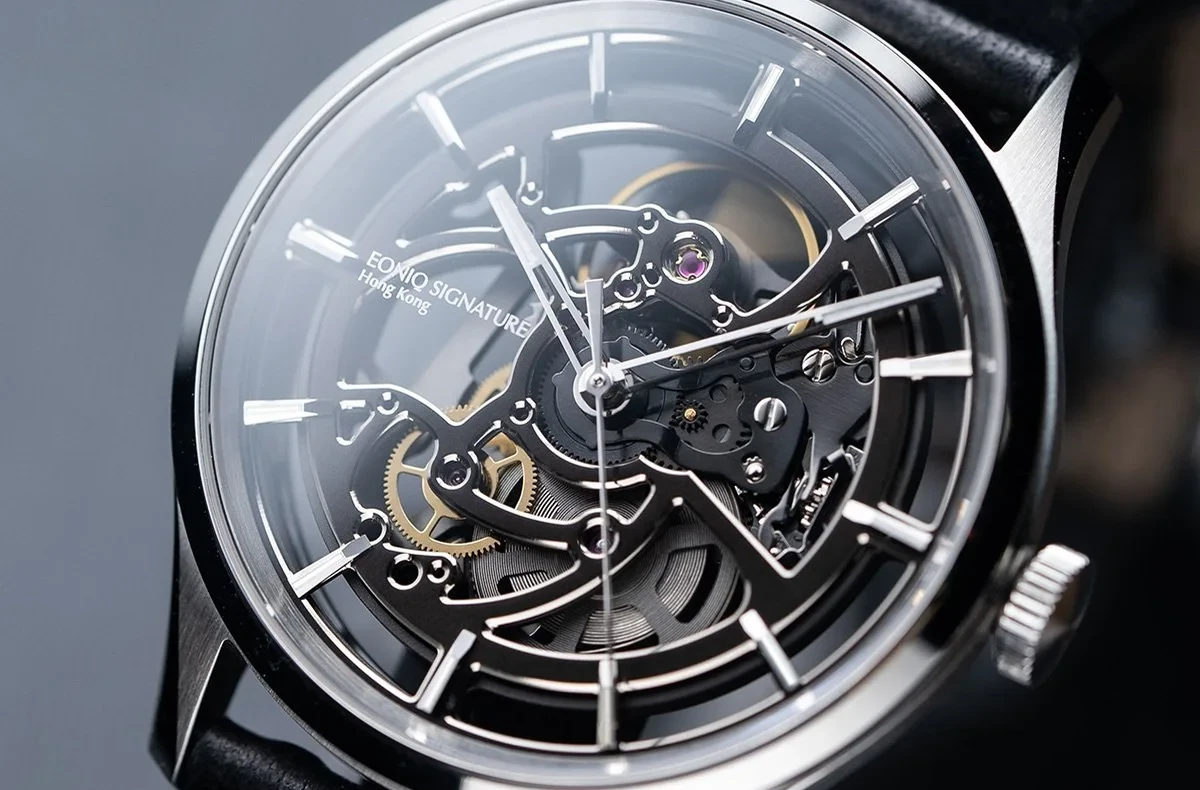
Around the World in 80 Microbrands: Hong Kong
Five Hong Kong microbrands doing things differently, from full ceramic cases to unusual time displays and a locally made mechanical movement.
 WHITE TEE
Editorial features and watch stories from White Tee Watches.
Five Hong Kong microbrands doing things differently, from full ceramic cases to unusual time displays and a locally made mechanical movement.
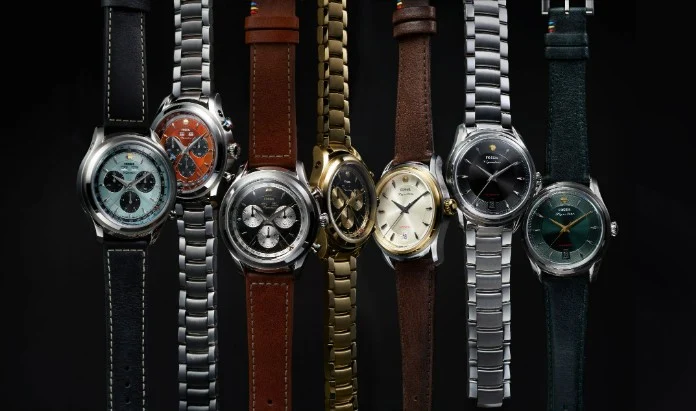
Fossil’s US$895 Signature CS-1 revives a Swiss Made experiment from 2013. Can it find an audience this time?
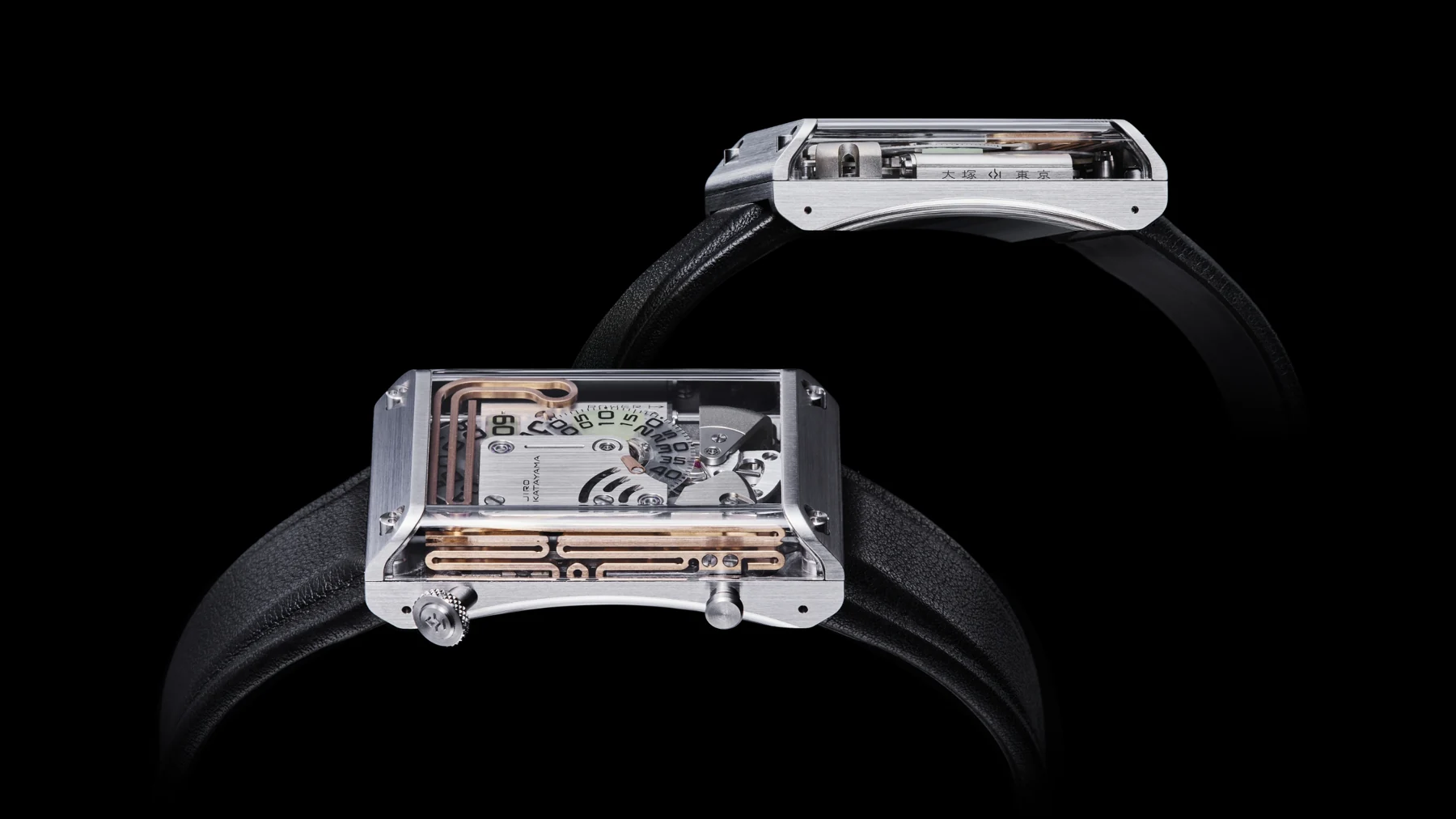
Five Japanese watchmakers, from playful quartz drums to lacquer craft and a six-figure striking tourbillon.
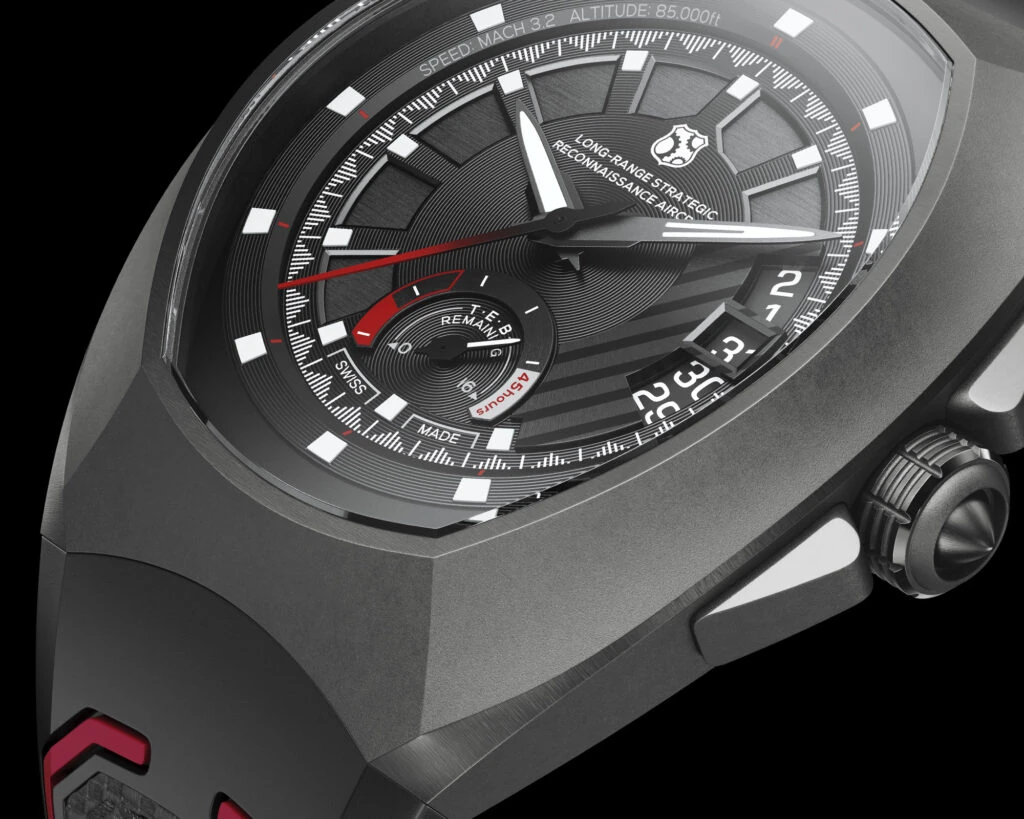
From an Aston Martin DB5 and the Flying Scotsman to an SR-71 Blackbird and Apollo 11, these watches are made with material that lived another life first.
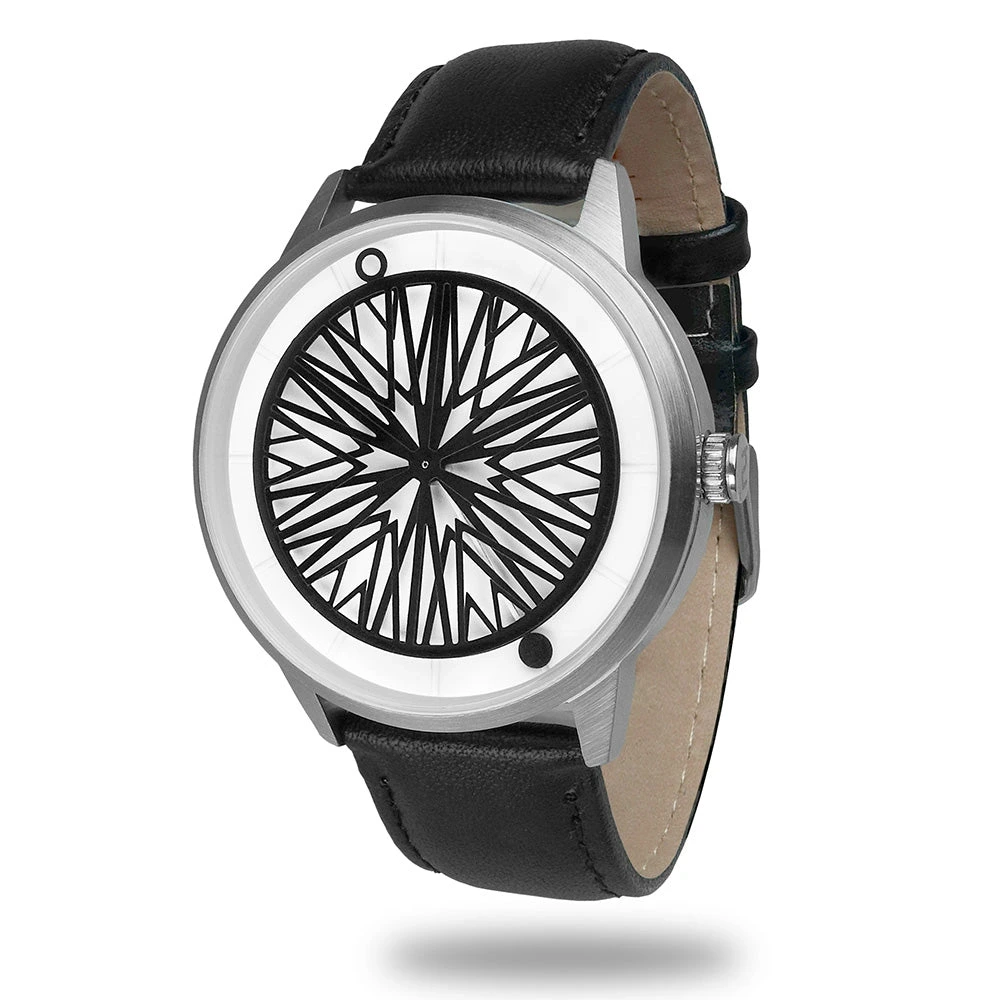
Five Singaporean watch brands doing things a little differently, from reversible dress watches and luminous titanium field watches to forged-carbon divers and moving works of art.
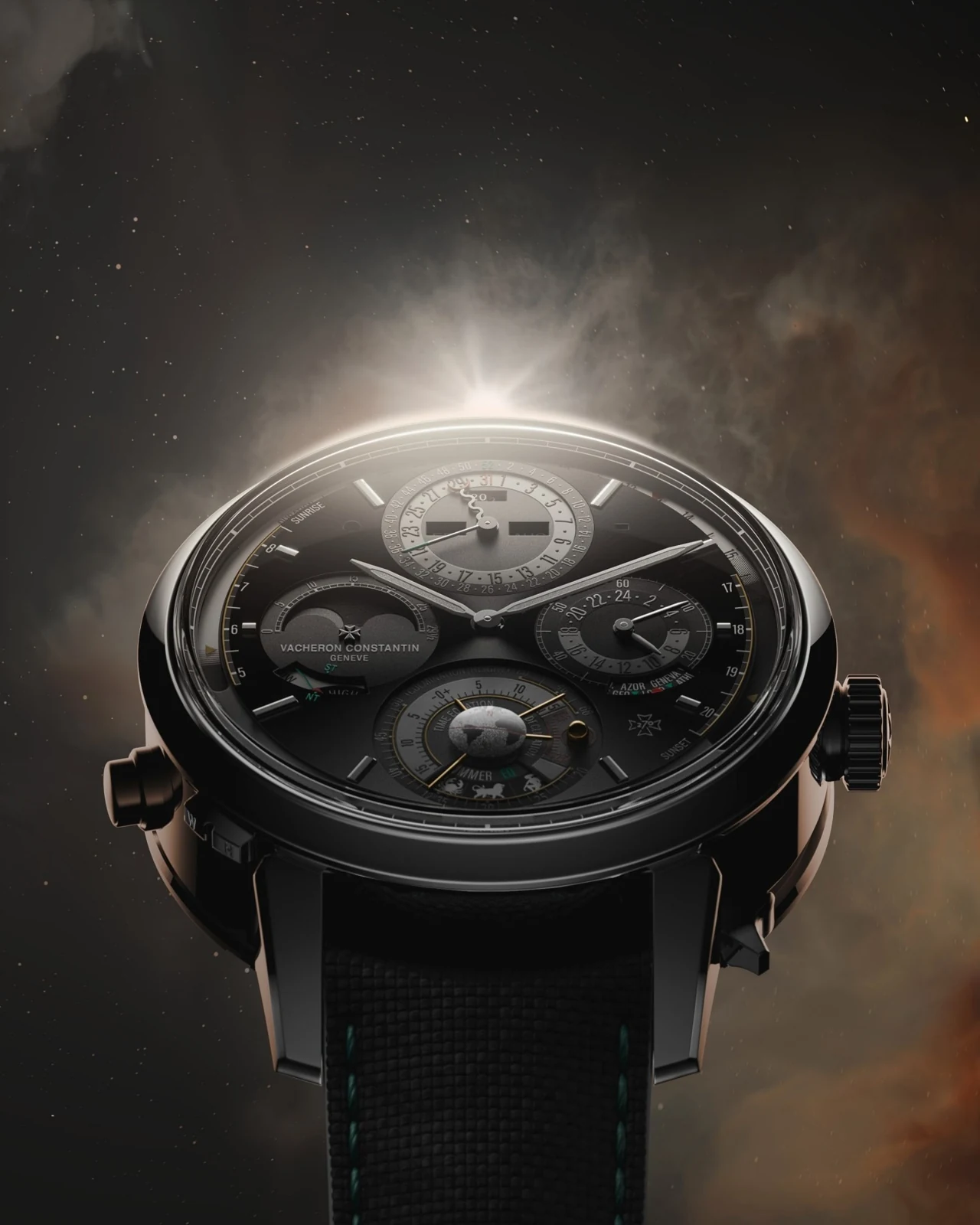
The Vacheron Constantin Solaria is the most complicated wristwatch ever made. But what do its 41 complications actually do? We work through every one.
Three thousand subscribers, roughly 250,000 views and A$743 in ad revenue. Here is what building a small watch YouTube channel actually looked like after its first six months.
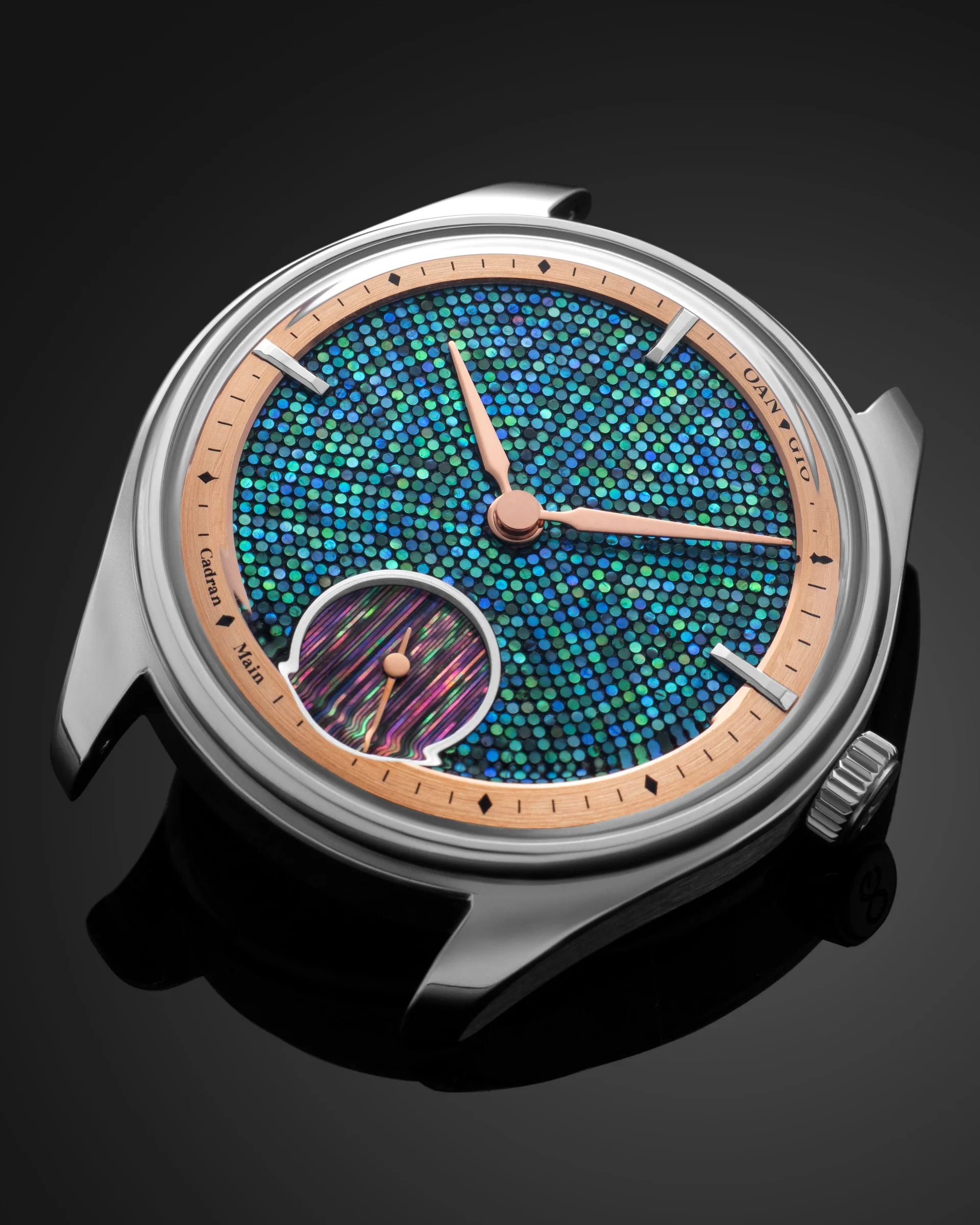
The second stop in Around the World in 80 Microbrands takes us through Thailand, Indonesia, the Philippines, Malaysia and Vietnam, with five brands pushing watch design in very different directions.
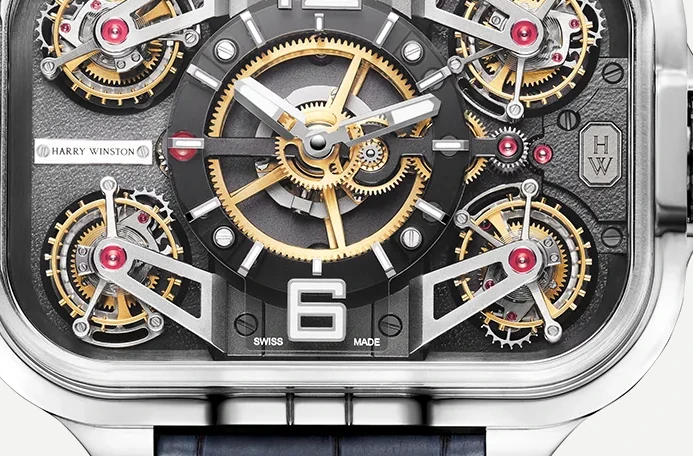
Harry Winston is one of the least discussed names in the Swatch Group, yet its archives contain collaborations with F.P. Journe, Urwerk and Greubel Forsey, along with some of the strangest high-horology watches ever made.
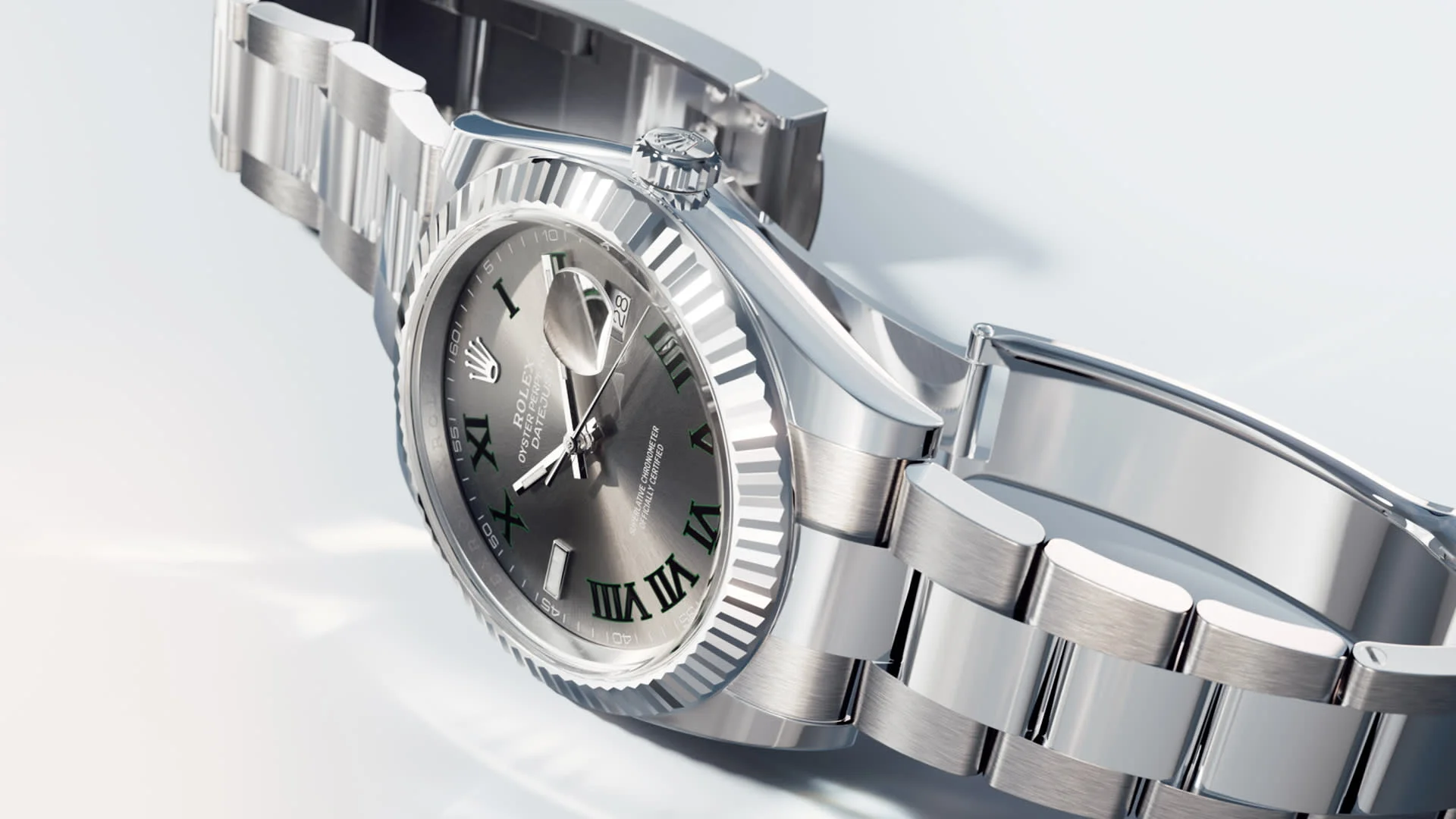
A date window seems simple enough. But from pointer dates and perpetual calendars to retrograde and jumping displays, watchmakers have found countless ways to show us the same number.
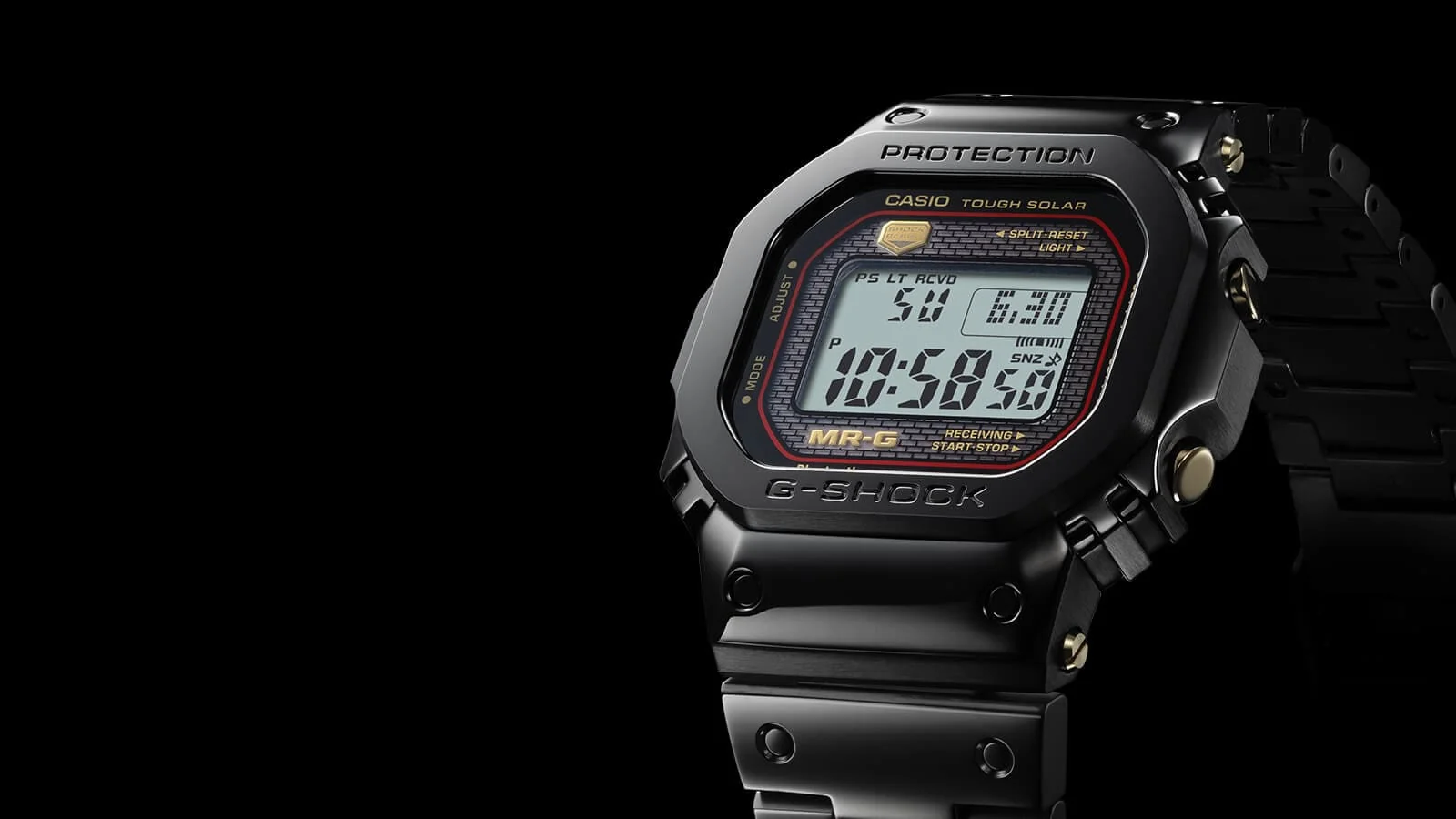
Casio took the humble G-Shock square, rebuilt it from exotic alloys, gave it Grand Seiko-level polishing and asked nearly A$6,000 for it. Is MR-G actually luxury?
Forget the AliExpress bargains for a moment. From Atelier Wen and Behrens to a new generation of independent watchmakers, China's high-end watch scene is becoming difficult to dismiss.
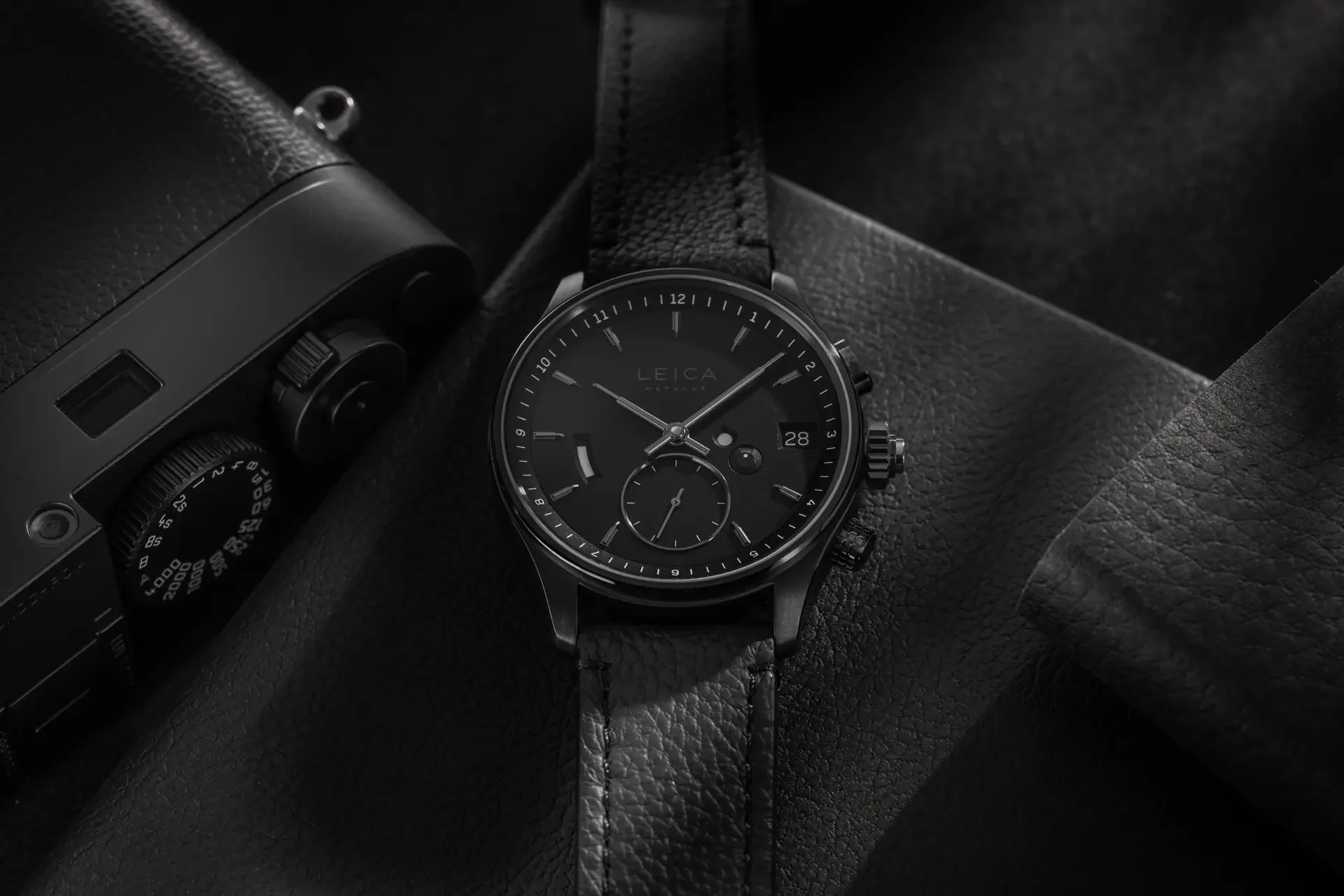
Leica did not simply put its logo on a generic watch. Its mechanical timepieces use bespoke movements, camera-inspired controls and an unmistakably Leica approach to industrial design.
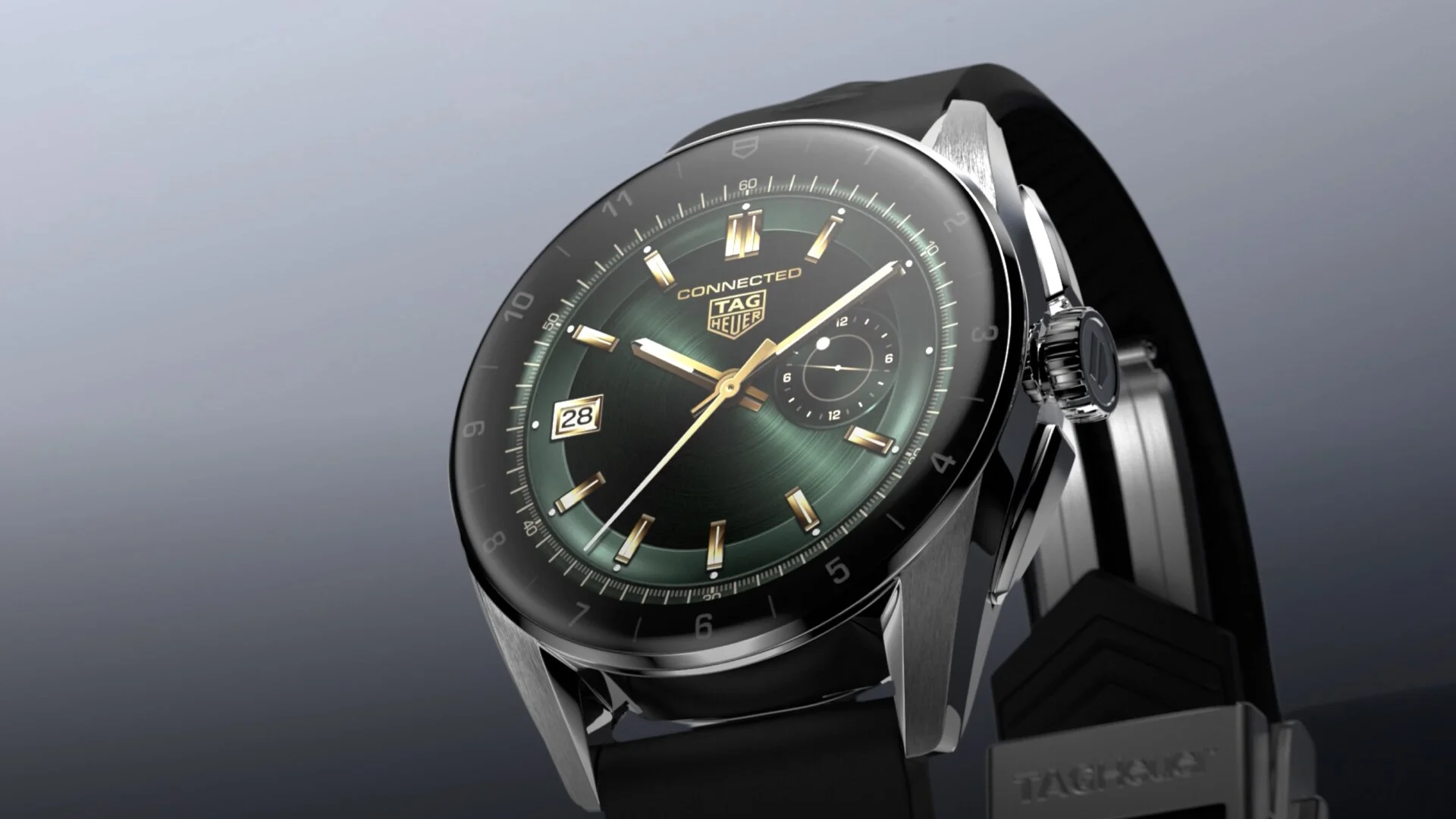
Smartwatches did not make the wrist irrelevant. They made it more valuable. Now traditional watches have to compete on something other than usefulness.
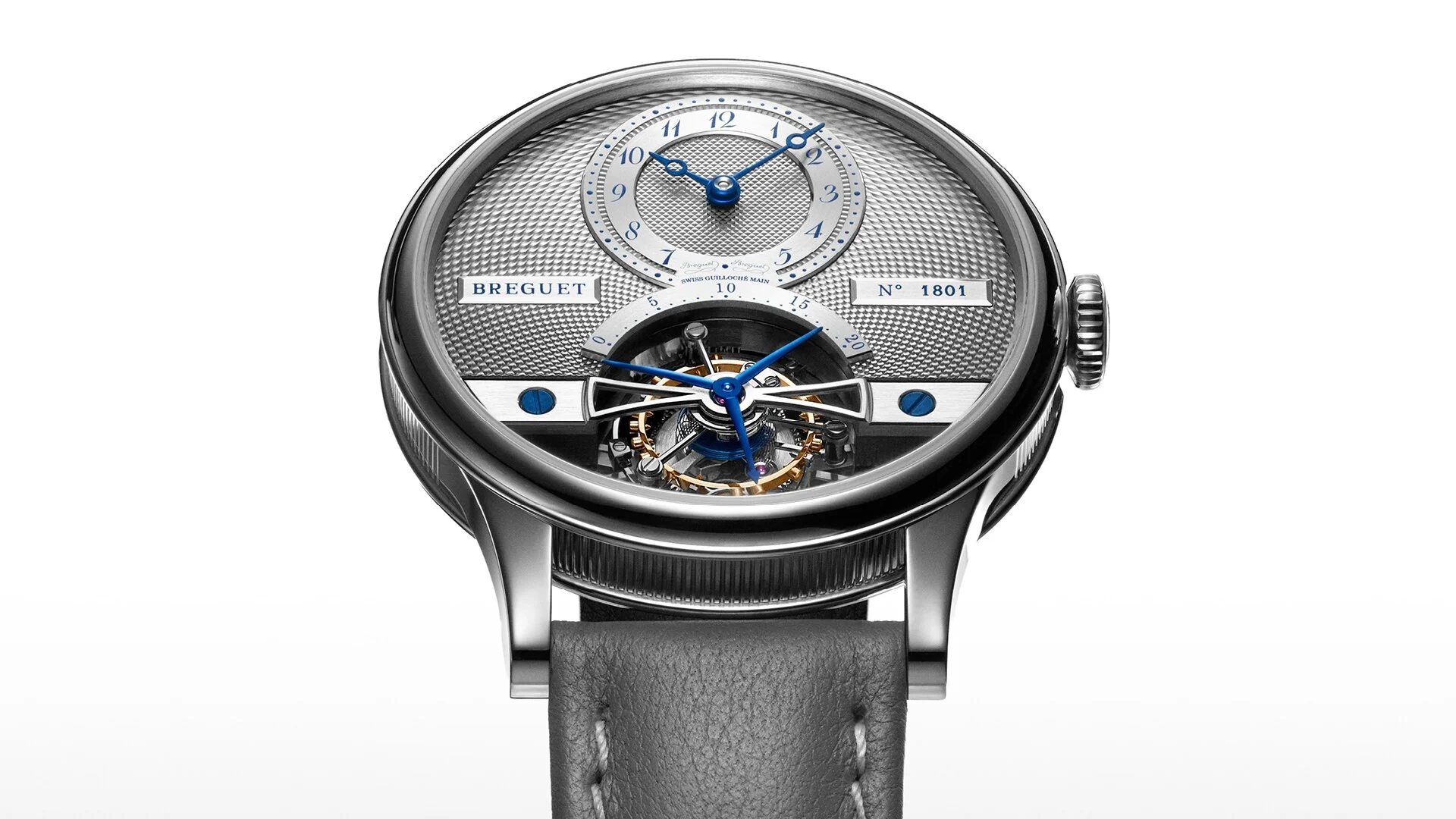
Tourbillons, auction records, new watch fairs, smaller Tudor chronographs and a robot designed to hold an MB&F. Here is what mattered in watches during June 2026.
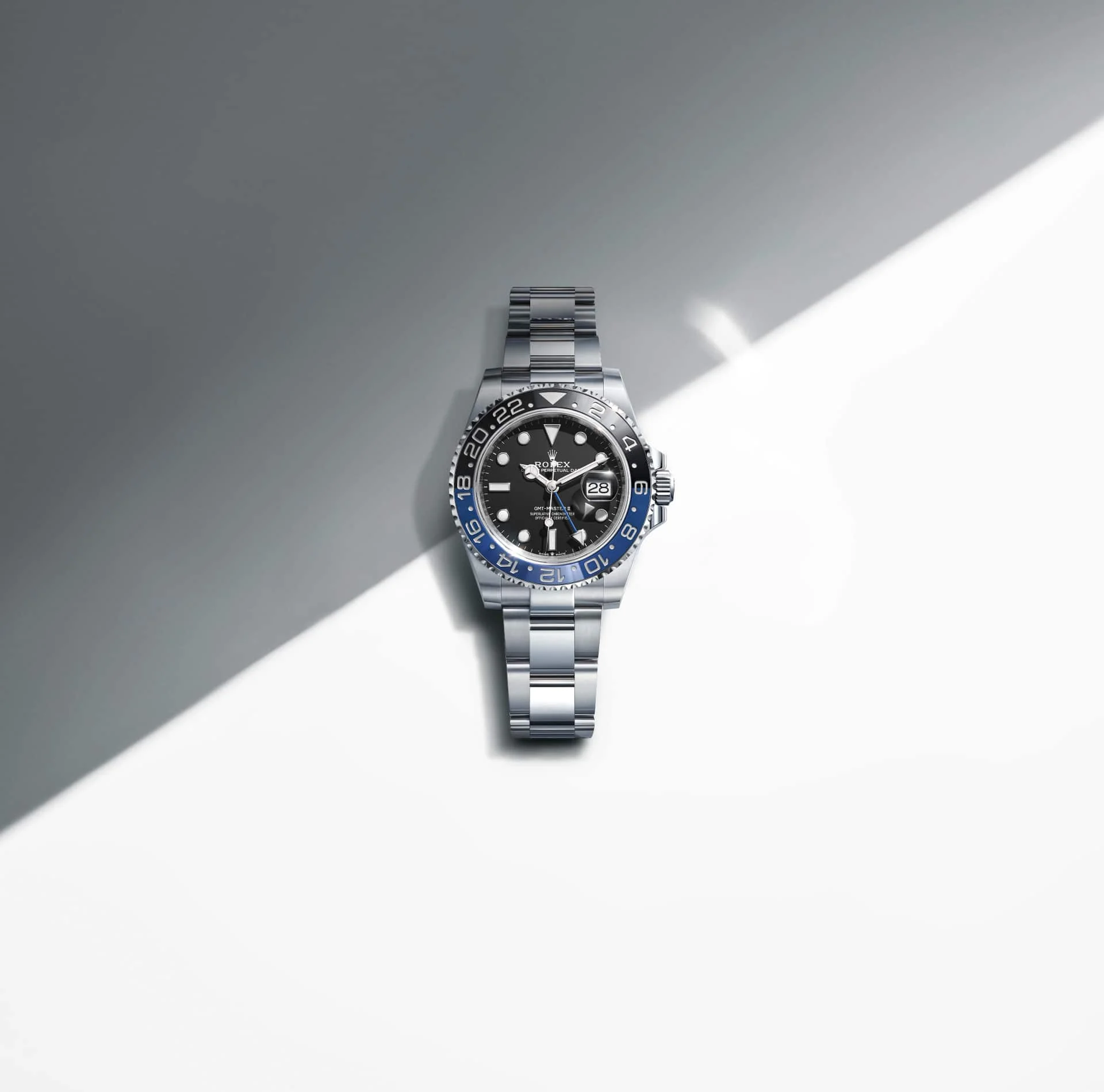
Is Switzerland really the cheapest place to buy a Swiss watch? Comparing Rolex, Omega and Cartier pricing across major markets produces some surprising results.
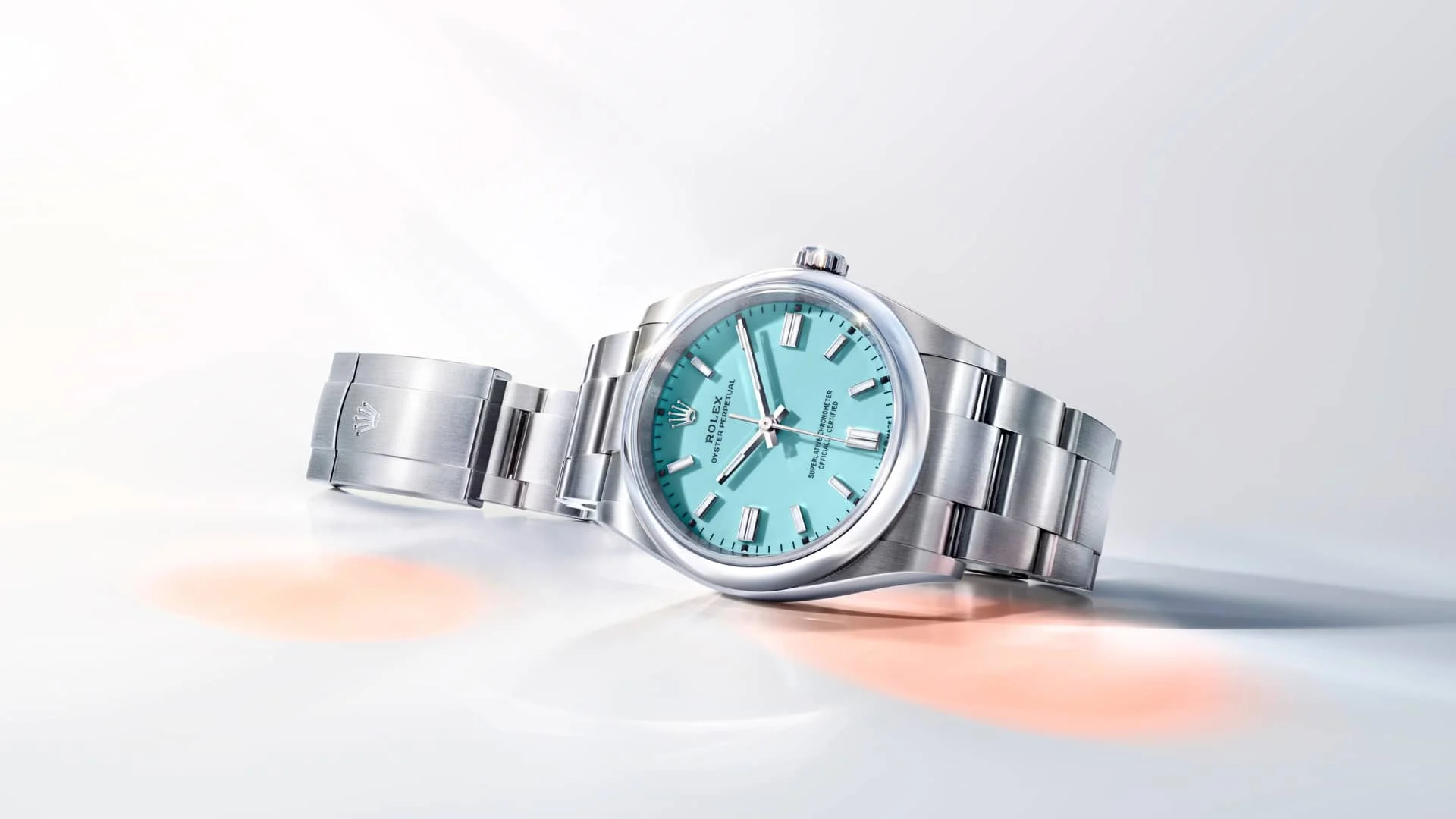
From the Oyster Perpetual to the Day-Date, Rolex prices rise dramatically. Sometimes the extra money buys real engineering. Sometimes it mostly buys more Rolex.
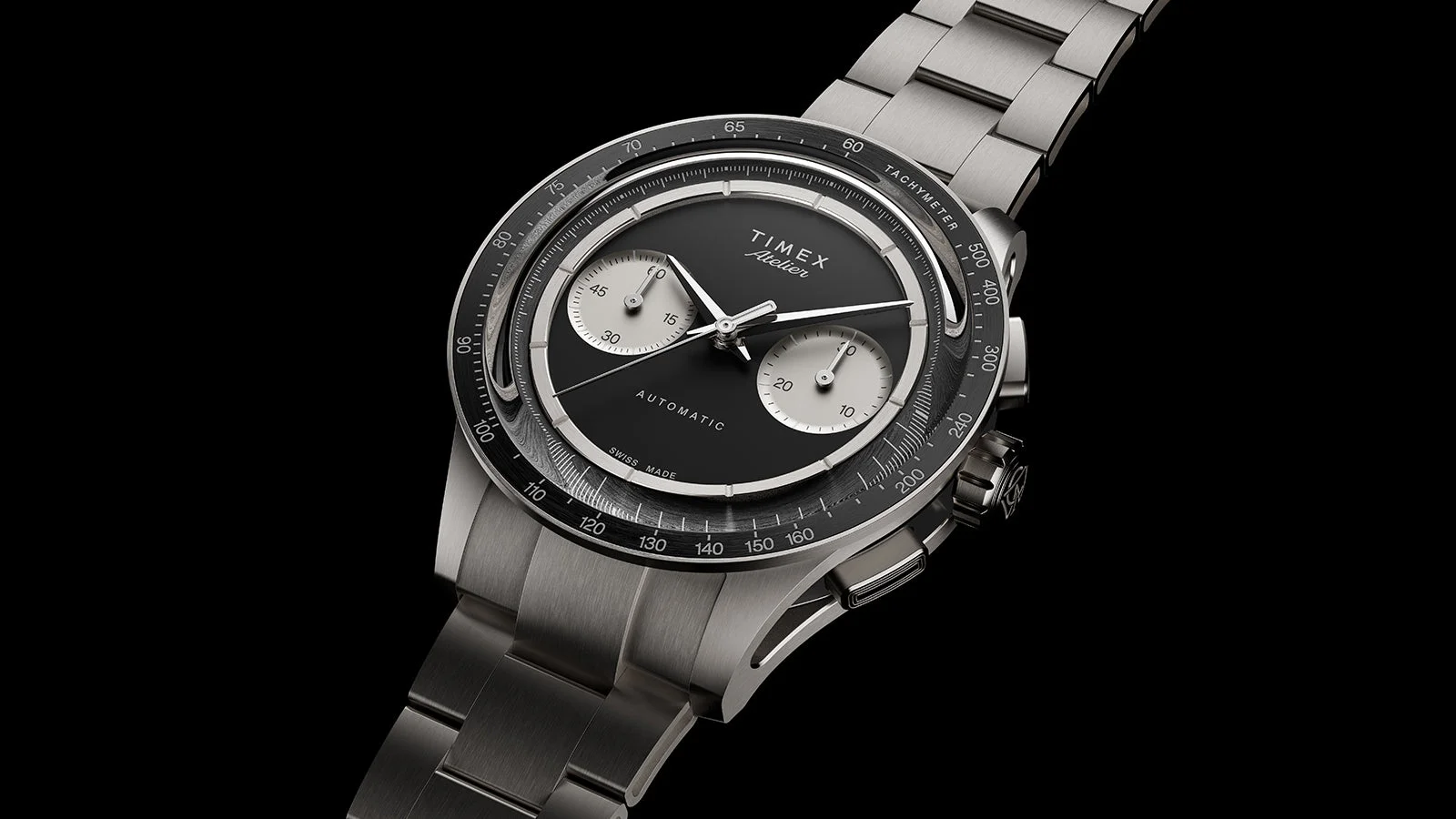
Timex was once the obvious choice for a cheap, practical watch. Now it is making titanium automatic chronographs with Swiss movements and four-figure prices. What changed?
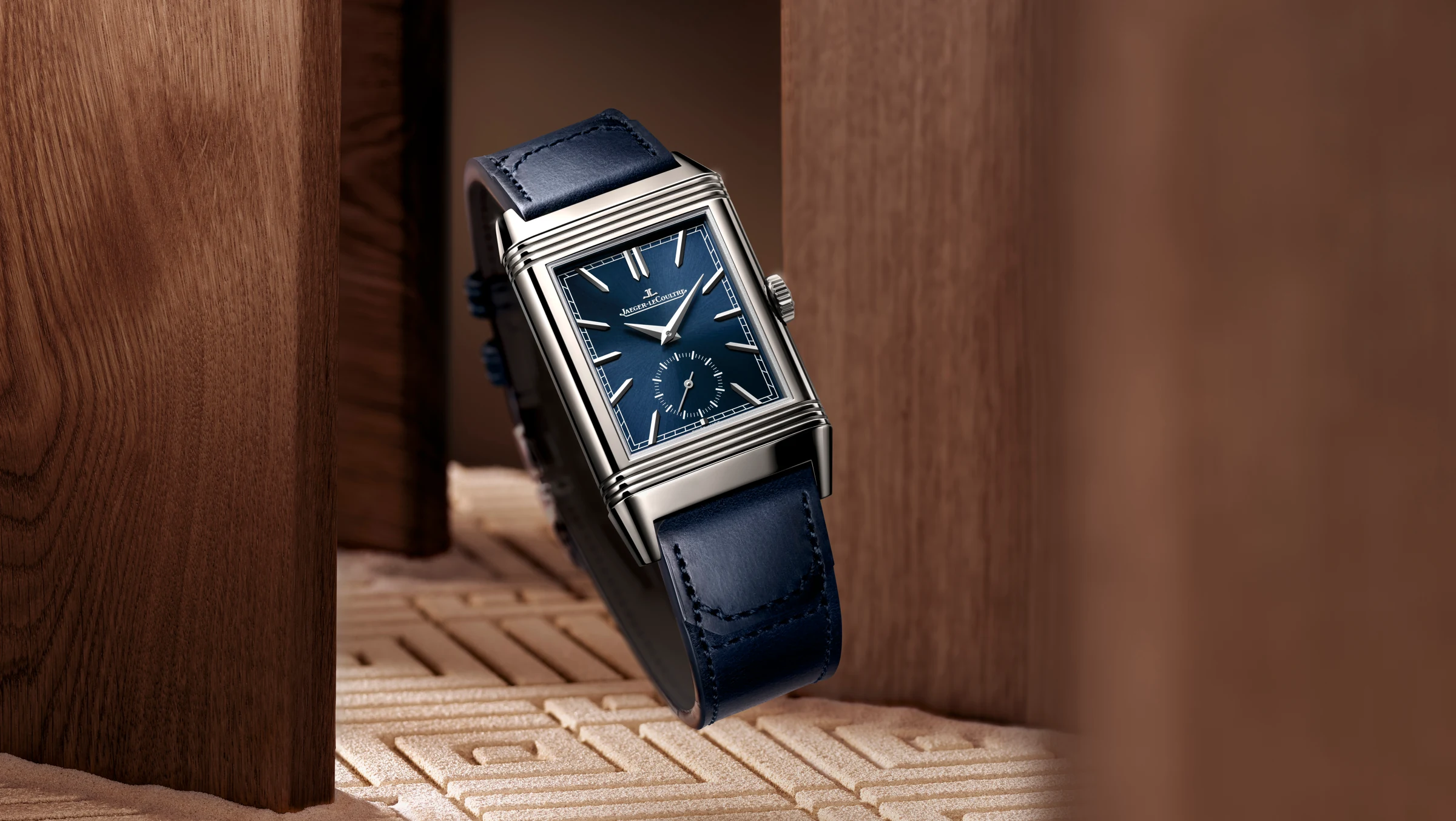
JLC has the history, movements and watchmaking credibility. What it doesn't have is hype, and that might be exactly the point.
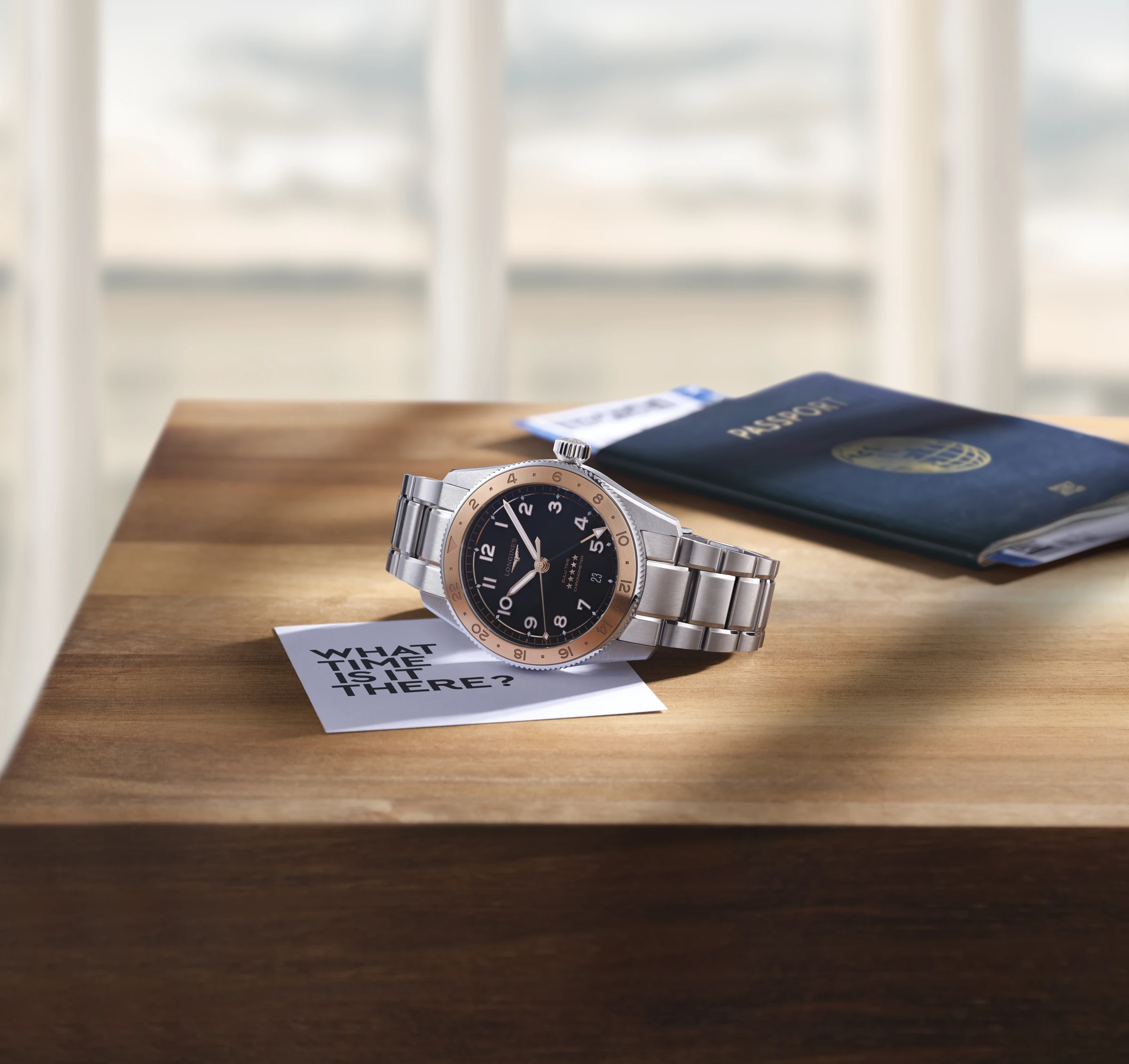
Longines is increasingly occupying the attainable Swiss-luxury territory that Omega once made its own.