
Another month has come and gone in the watch world, and as usual, far too much happened for anyone to reasonably keep up with all of it.
June brought major releases, industry shakeups, auction records, technical developments and several reminders that watchmaking can still be wonderfully ridiculous.
Here are the stories that mattered.
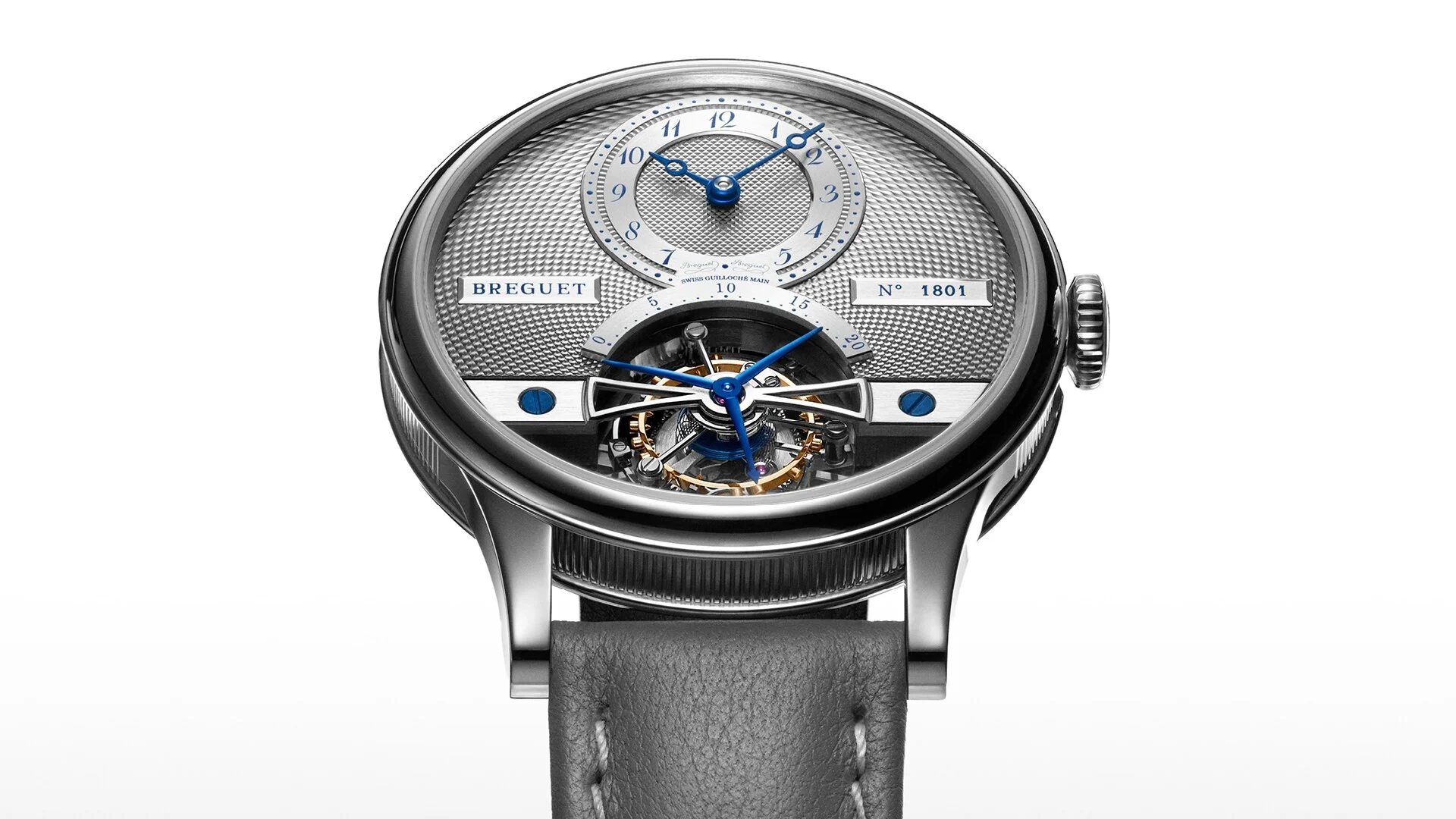
Breguet celebrated 225 years of the tourbillon
Few brands have a stronger claim to a complication than Breguet does to the tourbillon.
Abraham-Louis Breguet patented the mechanism in 1801, and in June the brand marked 225 years of the tourbillon with four new models.
The anniversary pieces stretched across multiple parts of the catalogue, including the Classique, Tradition and Marine collections.
This was not simply an anniversary reference and a commemorative press release.
It was Breguet reminding the watch world that while countless brands now produce tourbillons, the complication is inseparable from the history of the house itself.
If any brand has earned the right to spend an entire anniversary celebrating the tourbillon, it is Breguet.
Basel is coming back, sort of
A name many enthusiasts thought had disappeared from the major watch-show calendar returned in June.
Basel.
MCH Group announced a partnership with Informa Markets to launch the Basilia Jewellery & Watch Fair, scheduled to begin in April 2027.
This is not simply Baselworld returning under a slightly altered name.
Baselworld historically had a broader and more commercial feel than something like Watches and Wonders.
If Basilia succeeds, it could provide a useful counterpoint to Geneva's increasingly polished luxury showcase.
Less red carpet.
More marketplace.
After years of consolidation around Watches and Wonders, another significant European watch fair would be no bad thing.
Tudor shrank the Black Bay Chrono
Tudor continued its centenary celebrations with the Black Bay Chrono 39 "Bumblebee."
The most important change is right there in the name.
The Black Bay Chrono formula has been reduced to a 39 mm case, creating something more compact and wearable than the existing chronograph offering.
The black-and-yellow colour scheme is hardly subtle, but the proportions are probably the bigger story.
Tudor has become increasingly good at making watches that feel close enough to the broader Rolex universe to attract attention while retaining enough independence to build its own identity.
A smaller and thinner Black Bay Chrono fits that strategy almost perfectly.
Watches and Wonders keeps growing
While Basel prepares for a return of sorts, Watches and Wonders is showing no signs of giving up its position at the centre of the luxury-watch calendar.
The 2027 event was confirmed for 5 to 11 April in Geneva, with several new exhibitors announced.
The standout addition is Breitling.
Breitling will be joined by Universal Genève and Gallet, which is particularly interesting given the growing family of brands now sitting around the company.
That broader group could become one of the more interesting stories in the industry over the coming years.
For now, though, the message is simple.
Watches and Wonders remains the main event.
Grand Seiko finally tackled the bracelet problem
Grand Seiko has rarely struggled to win praise for its dials.
The finishing is excellent.
The movements are interesting.
The casework can be spectacular.
The bracelets have been a more divisive part of the equation.
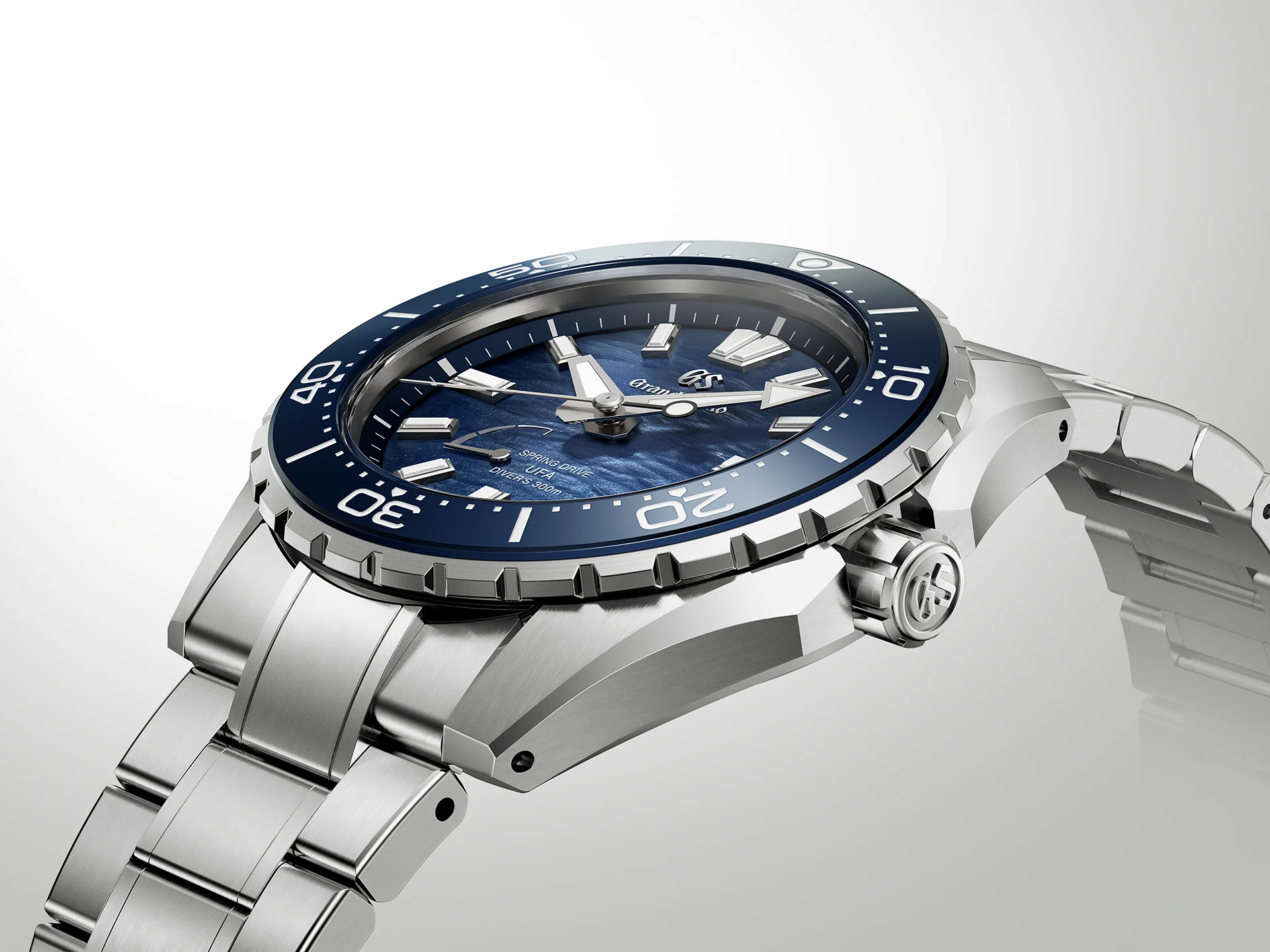
June brought an important refresh to the Evolution 9 collection, including improved bracelets and micro-adjust clasps across several models.
This may not sound like the most glamorous product announcement of the month, but it addresses one of the more persistent criticisms of Grand Seiko.
At this price level, a watch should not merely look exceptional under magnification.
It should also feel exceptional on the wrist.
The refresh also brought new Spring Drive U.F.A. Lake Suwa models in both 37 mm and 40 mm sizes.
As expected from Grand Seiko, the dials are beautiful, the movements are serious and the reference numbers remain slightly intimidating.
Overall, though, this feels like exactly the sort of update the collection needed.
Rolex put a crown on Rockefeller Center
Rolex also made news in New York.
The brand unveiled a permanent clock at Rockefeller Center, ahead of the opening of its new headquarters nearby.
On the surface, it is simply a clock.
But Rolex has always understood that luxury brands do not merely sell products.
They build symbols.
A giant Rolex crown occupying one of the most famous locations in New York is not really about telling pedestrians the time.
It is about visibility.
Few watch brands understand that game better.
Vacheron brought back one of its cleverest perpetual calendars
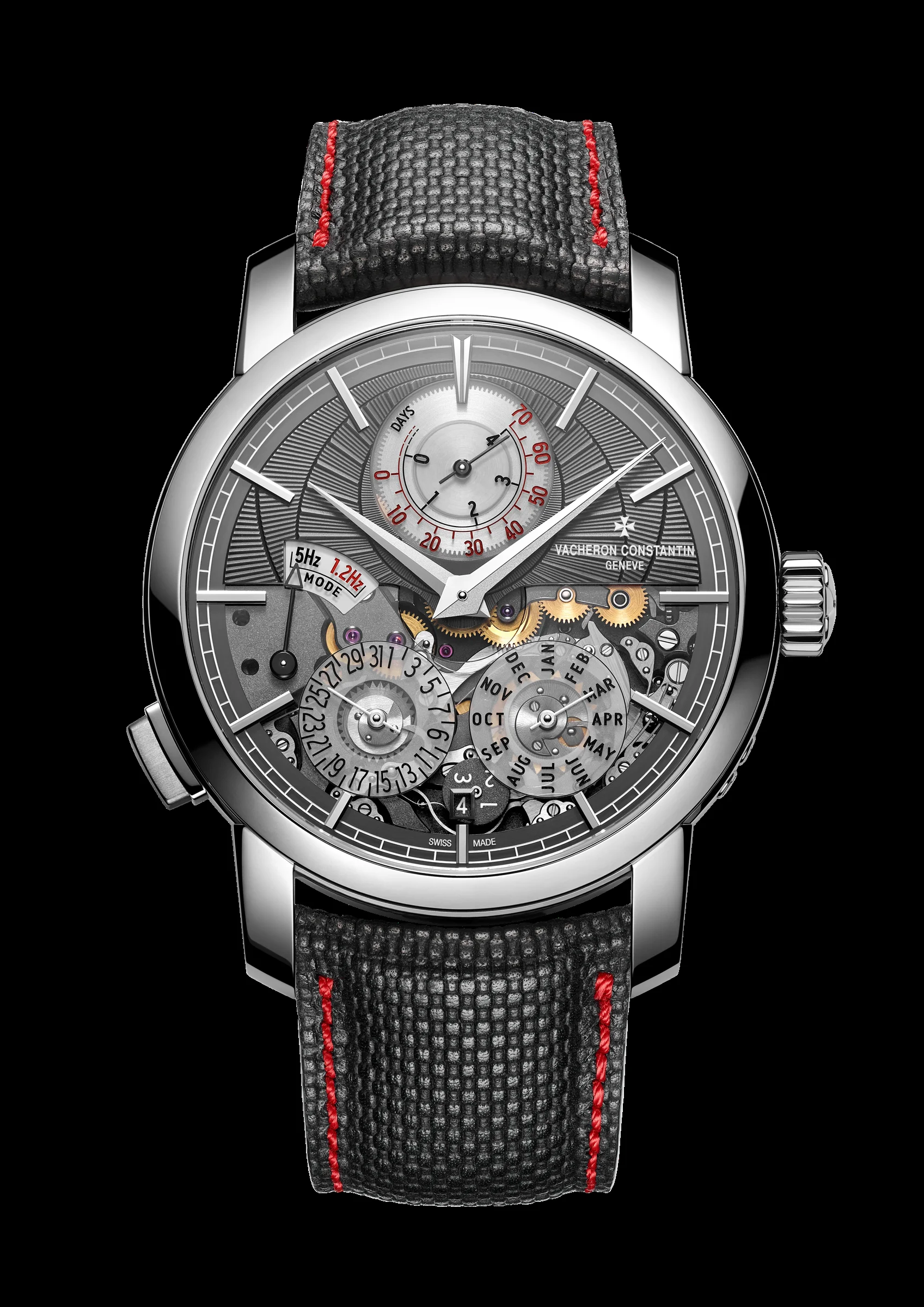
Vacheron Constantin returned to the Traditionnelle Twin Beat Perpetual Calendar, one of those watches that demonstrates just how elaborate a solution traditional high horology can find for a relatively simple problem.
The watch has two operating modes.
One runs at a normal higher frequency during wear.
The other switches to a low-frequency standby mode, extending the power reserve dramatically when the watch is not being worn.
The result is a perpetual calendar capable of running for up to 70 days in standby mode.
A watch winder would obviously be the simpler solution.
But this is Vacheron Constantin.
Simple was apparently never the assignment.
At CHF 380,000, practicality is not really the point anyway.
This is complicated watchmaking because complicated watchmaking is fun.
F.P. Journe joined the auction elite
One of June's biggest auction results came from a brand that would have seemed an unlikely candidate for this level of pricing a generation ago.
An F.P. Journe Souscription Chronomètre à Résonance sold for US$13.9 million.
That result placed it among the most expensive wristwatches ever sold.
What makes the number particularly interesting is the name on the dial.
This is not Rolex.
It is not Patek Philippe.
It is an independent watchmaker.
The result is another reminder of how far the top end of independent watchmaking has moved into the collecting mainstream.
F.P. Journe is no longer merely an enthusiast favourite.
At the very top end, it is now operating in the same auction conversation as the industry's traditional giants.
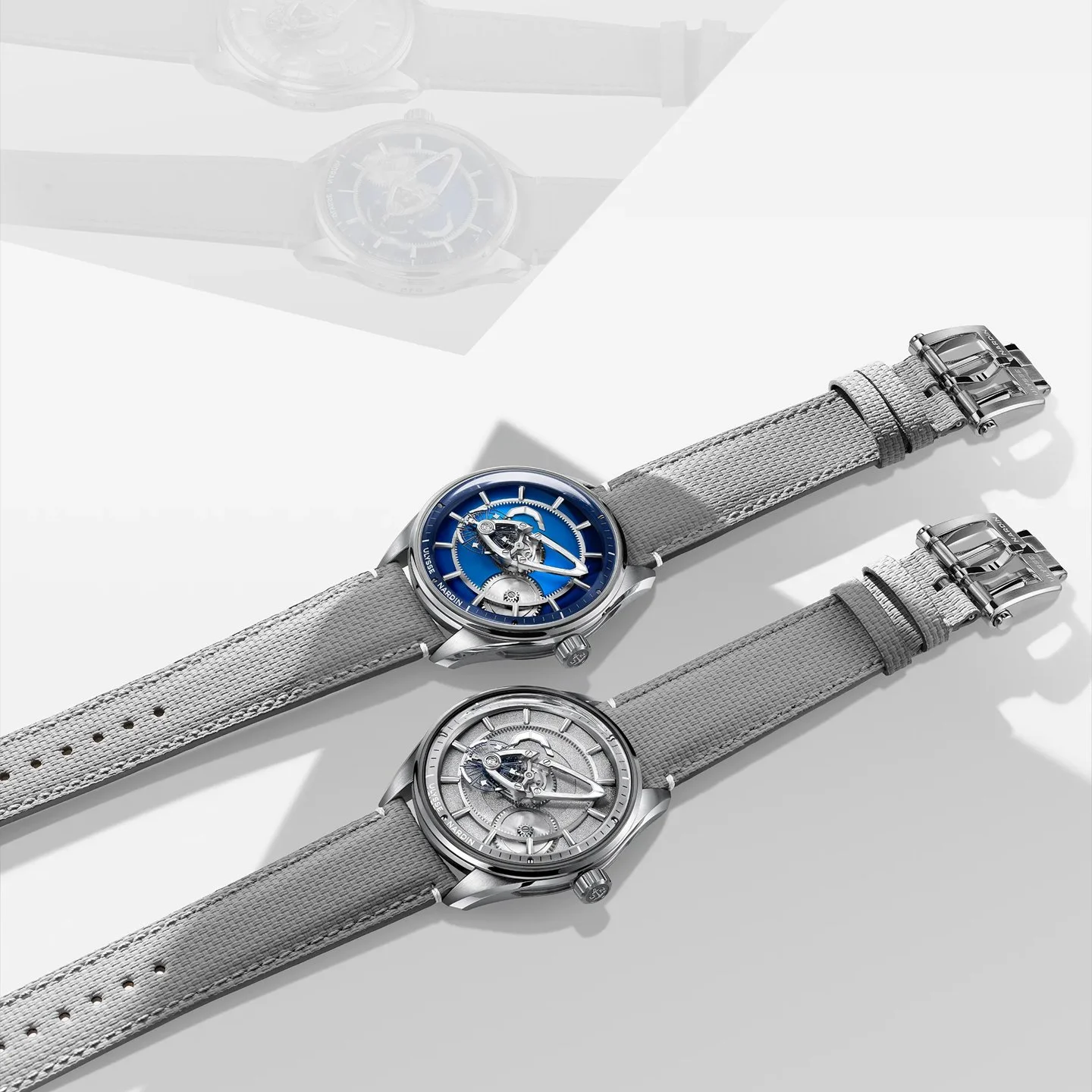
Ulysse Nardin updated the Freak X
Few modern watch designs have been as genuinely unconventional as the Ulysse Nardin Freak.
When the original appeared in 2001, the idea was radical.
No conventional dial.
No normal hands.
No traditional crown.
The movement itself became the display.
Twenty-five years later, the concept still looks futuristic.
June brought a new generation of the Freak X, the comparatively accessible entry point into the family.
The updated model receives a smaller case, a new movement and a more wearable execution.
"Accessible" remains relative, of course.
With pricing beginning around CHF 33,500, the Freak X is not about to become the new affordable enthusiast favourite.
But it remains one of the industry's most distinctive ideas.
Ronda is making mechanical movements again
One of the less glamorous announcements of the month may prove one of the more important for smaller brands.
Ronda, best known as one of the major suppliers of Swiss quartz movements, announced its return to mechanical watchmaking with the Calibre R01.
Movement suppliers are the invisible infrastructure of much of the watch industry.
Without companies such as ETA, Sellita, Miyota and Seiko Instruments supplying movements, a large portion of the independent and smaller-brand market simply would not function.
Whether Ronda can eventually become a serious alternative to established mechanical suppliers remains to be seen.
But another credible movement maker entering the market is good news.
More competition rarely hurts.
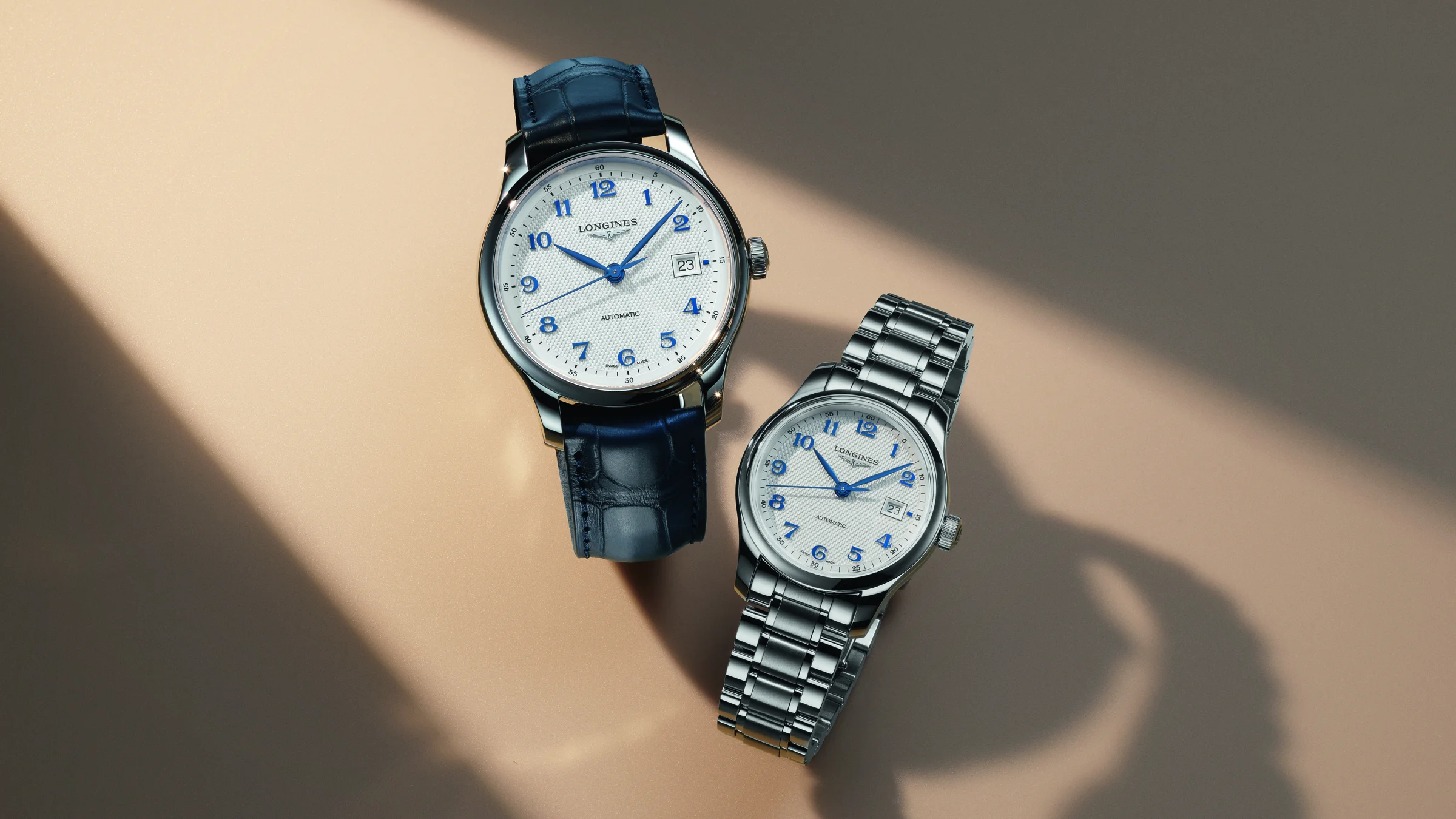
Longines refreshed the Master Collection
Longines also quietly updated one of the most important parts of its catalogue.
The Master Collection, a core dress-watch family since 2005, received a broader refresh.
New sizes. Updated dials. New movements.
It is not the kind of announcement that dominates social media for a week, but it fits what Longines has been doing particularly well.
The brand keeps taking traditional Swiss watchmaking and gradually making the proposition stronger without feeling compelled to reinvent itself every six months.
The Master Collection refresh is another example of that approach.
Nothing outrageous.
Just a better version of an already important collection.
Philippe Stern's legacy
June also brought sad news.
Philippe Stern, former president and honorary chairman of Patek Philippe, passed away.
His impact on the modern company is difficult to overstate.
Stern helped guide Patek Philippe through the mechanical-watch renaissance, protected its independence and played an important role in shaping the company into the institution it is today.
His era also encompassed the rise of watches such as the Nautilus and the broader transformation of Patek into arguably the most prestigious name in Swiss watchmaking.
The watch industry often spends enormous amounts of time discussing founders, designers and movements.
But the people who steer these companies through entire generations matter just as much.
Philippe Stern was one of them.
MB&F built a robot for your watch
And finally, MB&F ensured June ended with something appropriately strange.
The brand introduced the HM12 "The Guardian."
The watch itself is exactly the sort of thing you would expect from MB&F.
Flying tourbillon. Jumping hours. Science-fiction styling. Mechanical excess.
But that is not really the headline.
When you are not wearing the watch, it can be mounted into a 38-centimetre-tall robot companion developed with L'Epée 1839.
Because apparently a normal watch box was too obvious.
The result is part wristwatch, part desk clock, part kinetic sculpture and part childhood fever dream.
Only 36 will be made, priced at CHF 280,000 each.
It is impractical.
It is completely unnecessary.
It is also exactly the sort of object that makes the stranger corners of mechanical watchmaking worth paying attention to.
June in watches
June 2026 had a little bit of everything.
Breguet looked backwards to one of the most important inventions in watchmaking.
Ronda looked forward with a new mechanical movement.
Grand Seiko fixed something enthusiasts had complained about for years.
Longines quietly improved one of its core collections.
F.P. Journe reminded everyone how valuable modern independents have become.
And MB&F built a robot.
That seems about right for a month in watches.