
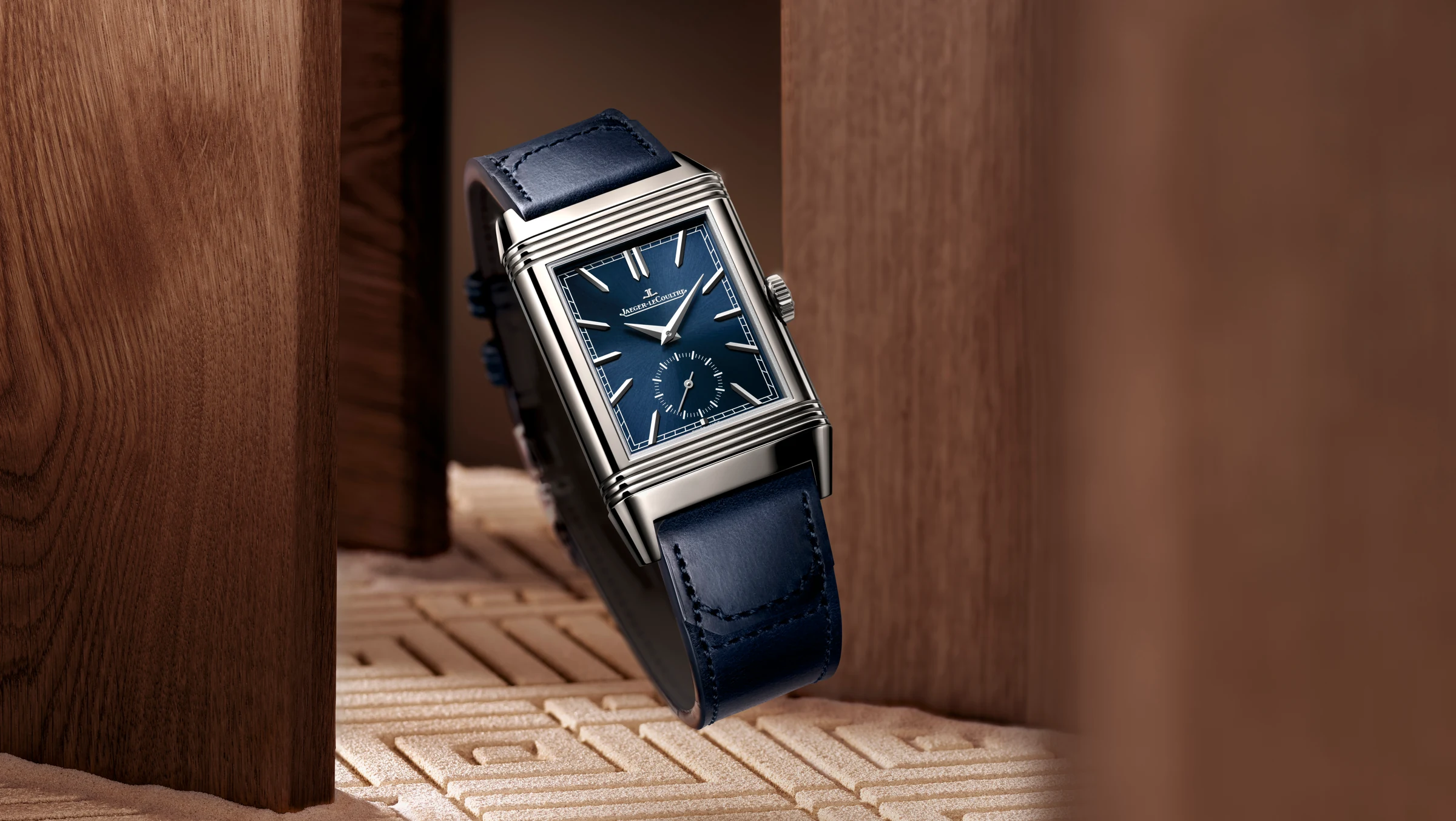
Jaeger-LeCoultre might be one of the strangest brands in modern watchmaking.
It has the history. The movements. The complications. The icons. The technical credibility. Among serious watch enthusiasts, the name carries enormous weight.
And yet, compared with many of the brands operating at a similar level, JLC generates remarkably little hype.
That is particularly strange when you consider just how closely Jaeger-LeCoultre is connected to some of the most celebrated watches ever made.
Perhaps that lack of hype is part of the appeal.
JLC is expensive enough already without suddenly becoming the next brand everyone decides they need. But it is also a company that deserves considerably more attention than it often receives.
Because if you strip away logos, waiting lists, celebrity wrists and resale-market obsession, Jaeger-LeCoultre might be one of the purest examples of a watch company primarily rewarding the person actually wearing the watch.
It is the watchmaker's watchmaker.
And perhaps the ultimate anti-hype luxury watch brand.
Much more than the Reverso
For many people, Jaeger-LeCoultre begins with the Reverso.
That makes sense.
It is the obvious icon of the brand, a rectangular Art Deco watch built around a case that can physically flip over on itself. Its origins lie in polo, but over the decades the Reverso has evolved into something much broader.
It can be simple. Complicated. Understated. Decorative. Masculine. Feminine. Classical or surprisingly playful.
More importantly, it is unmistakably a Reverso.
That alone makes it something of a rarity in modern luxury watchmaking.
But reducing JLC to the Reverso misses most of what makes the brand interesting.
The Master side of the catalogue shows a very different kind of watchmaking.
These are elegant, restrained watches where much of the appeal comes from proportion, movement architecture and detail rather than an instantly recognisable case silhouette.
Simple date watches sit alongside moonphases, chronographs, perpetual calendars and considerably more complicated pieces.
They are watches that reward looking closely.
Then there is the Polaris, JLC's more casual and sporting side.
It may not be the collection that immediately comes to mind when most enthusiasts think of Jaeger-LeCoultre, but its existence is important. JLC is not simply a company making dress watches for people who already own ten watches.
And once you move deeper into the catalogue, things become considerably more interesting.
The Duomètre represents the properly technical side of the brand. Its dual-wing architecture separates the power supplied to timekeeping from that used by complications, addressing the effect that running those complications can have on chronometric performance.
Then you arrive at the truly wild end of JLC.
The Hybris pieces are effectively the brand being allowed to demonstrate what happens when cost, complexity and common sense stop being major constraints.
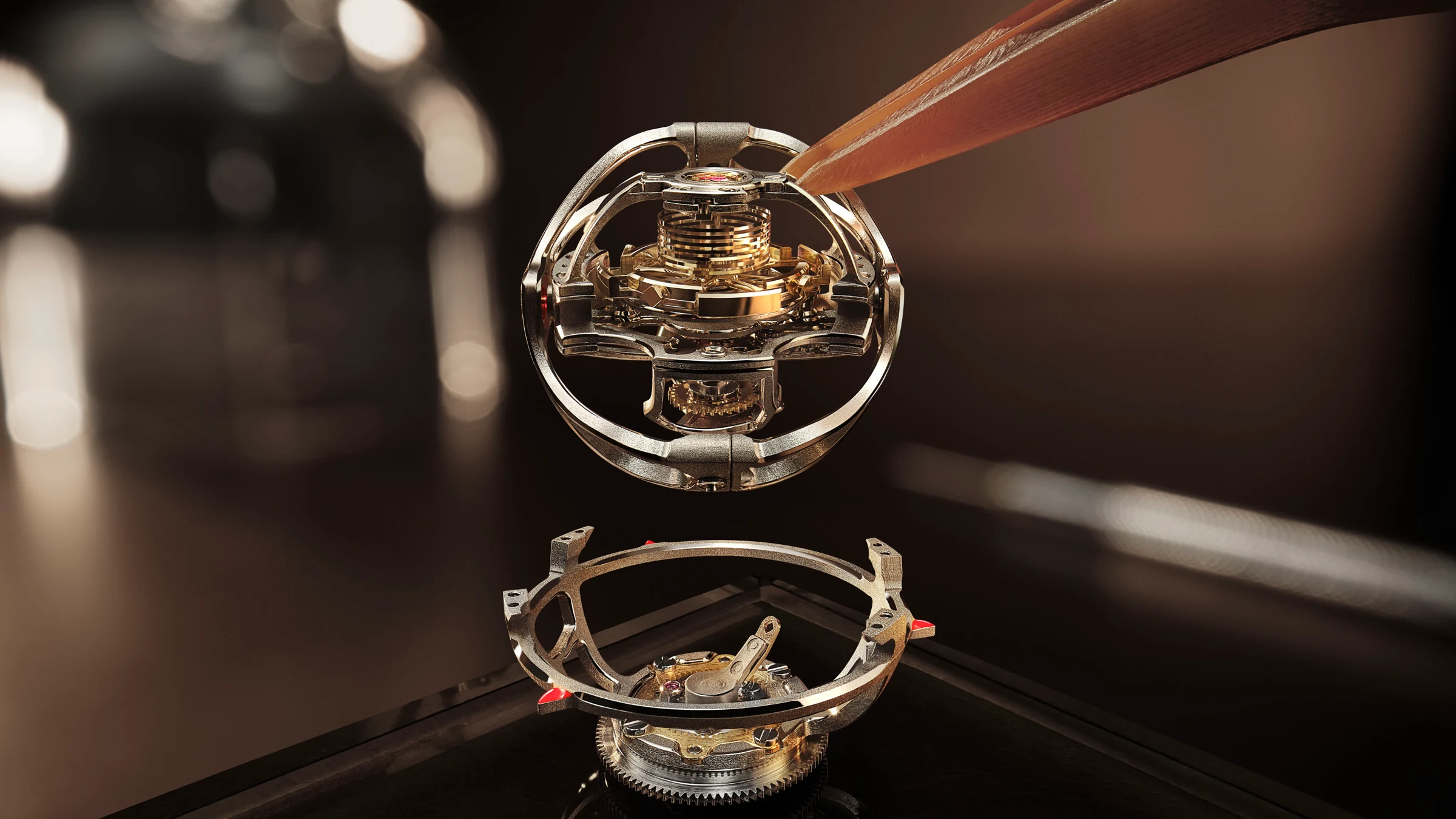
Minute repeaters. Tourbillons. Celestial displays. Skeletonisation. Hand decoration. Extraordinary mechanical complications.
These are the watches that remind you Jaeger-LeCoultre is capable of operating at the highest levels of traditional watchmaking.
And that is before getting into the Atmos clocks, Rendez-Vous, Calibre 101 and the many other branches of the JLC universe.
This is not a narrow brand.
It is simply a quiet one.
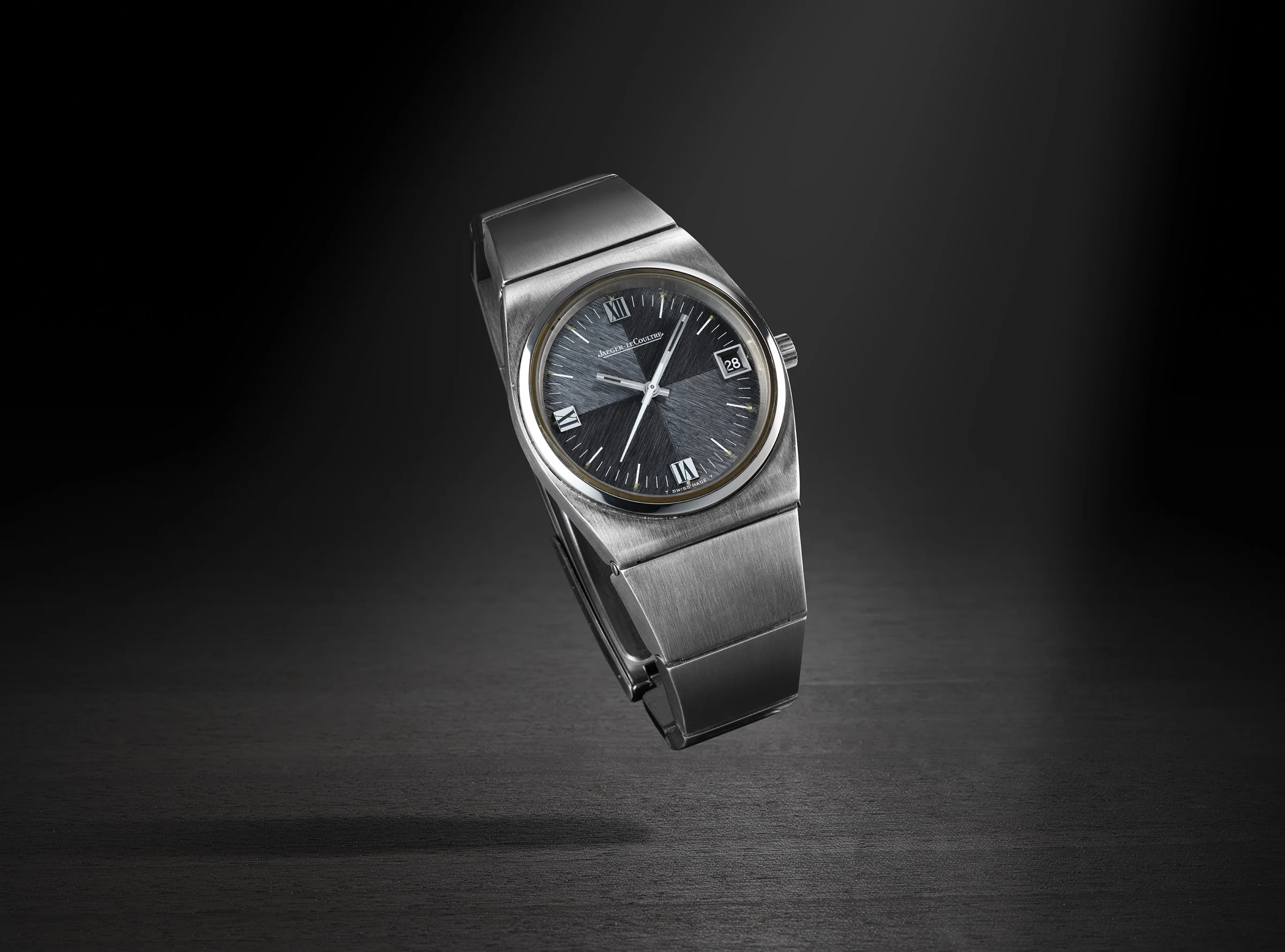
Why they call JLC the watchmaker's watchmaker
Few phrases in the watch world are repeated as often as "the watchmaker's watchmaker."
In the case of Jaeger-LeCoultre, there is a very good reason for it.
For decades, JLC was not simply producing movements for its own watches.
Other extremely serious watch companies relied on Jaeger-LeCoultre's expertise as well.
Perhaps the most famous example is the ultra-thin Calibre 920 architecture.
Movements derived from that calibre found their way into three watches that would become extraordinarily important to the modern luxury-watch industry:
the Audemars Piguet Royal Oak,
the Patek Philippe Nautilus,
and the Vacheron Constantin 222.
Few groups of watches carry greater significance in the history of the luxury steel sports watch.
And sitting quietly underneath them was engineering with deep Jaeger-LeCoultre roots.
That gets to the heart of JLC's reputation among enthusiasts.
This is not simply a company that has made excellent watches.
It is a company whose technical expertise helped other great watchmakers create excellent watches too.
For somebody deeply interested in mechanical watchmaking, that history carries enormous weight.
For everybody else, it is practically invisible.
And that may explain a large part of the Jaeger-LeCoultre problem.
Everything the hype machine does not reward
Modern luxury-watch hype tends to reward things that are immediately understandable.
Recognisable shapes.
Recognisable bracelets.
Recognisable bezels.
Recognisable dial colours.
A watch that someone can identify from across a restaurant has a very different relationship with status than a watch whose most interesting feature is hidden behind its caseback.
JLC does not have much of that visual shorthand.
There is no fluted bezel broadcasting the brand from across the room.
There is no octagonal integrated-bracelet silhouette.
There is no particular dial colour that has become its universal calling card.
Even the Reverso, unquestionably JLC's most recognisable watch, is not famous in the way a Submariner is famous.
It is watch-person famous.
Beyond that, Jaeger-LeCoultre tends to whisper.
A Master Control or Master Ultra Thin might have beautiful proportions, serious finishing and an outstanding movement.
To somebody unfamiliar with watches, it might simply look like a nice watch.
That creates a strange situation.
A large part of what makes JLC exceptional is hidden under the dial, visible through the caseback or buried within the movement architecture.
It rewards someone who knows what they are looking at.
It does considerably less for someone whose primary objective is making sure everybody else knows what they are wearing.
The price versus status problem
This becomes particularly important when you look at price.
Jaeger-LeCoultre is not cheap.
These are serious luxury watches carrying serious luxury-watch prices.
But the brand does not give buyers the same mainstream recognition that comes with some of its competitors.
A JLC does not carry the immediate recognition of a Rolex.
It does not have Omega's enormous pop-cultural footprint.
It lacks Cartier's fashion-world ubiquity.
And despite its watchmaking credentials, it is not generally placed into the same mainstream collector fantasy as Patek Philippe, Audemars Piguet and Vacheron Constantin.
That leaves JLC occupying an unusual space.
It is expensive enough that you really need to care about watches to spend the money.
But it is quiet enough that most people around you may never realise what you bought.
For a certain kind of buyer, that is a weakness.
For another, it might be the entire point.
Luxury purchasing often involves communication.
The product says something about the person who bought it.
A highly recognisable luxury watch communicates instantly.
Jaeger-LeCoultre is not particularly good at doing that.
Instead, a JLC asks you to spend serious money on something that mostly rewards one person.
You.
Not the room.
Not social media.
Not somebody across the restaurant.
And certainly not a spreadsheet tracking which watches are trading above retail.
There is something refreshingly old-fashioned about that.
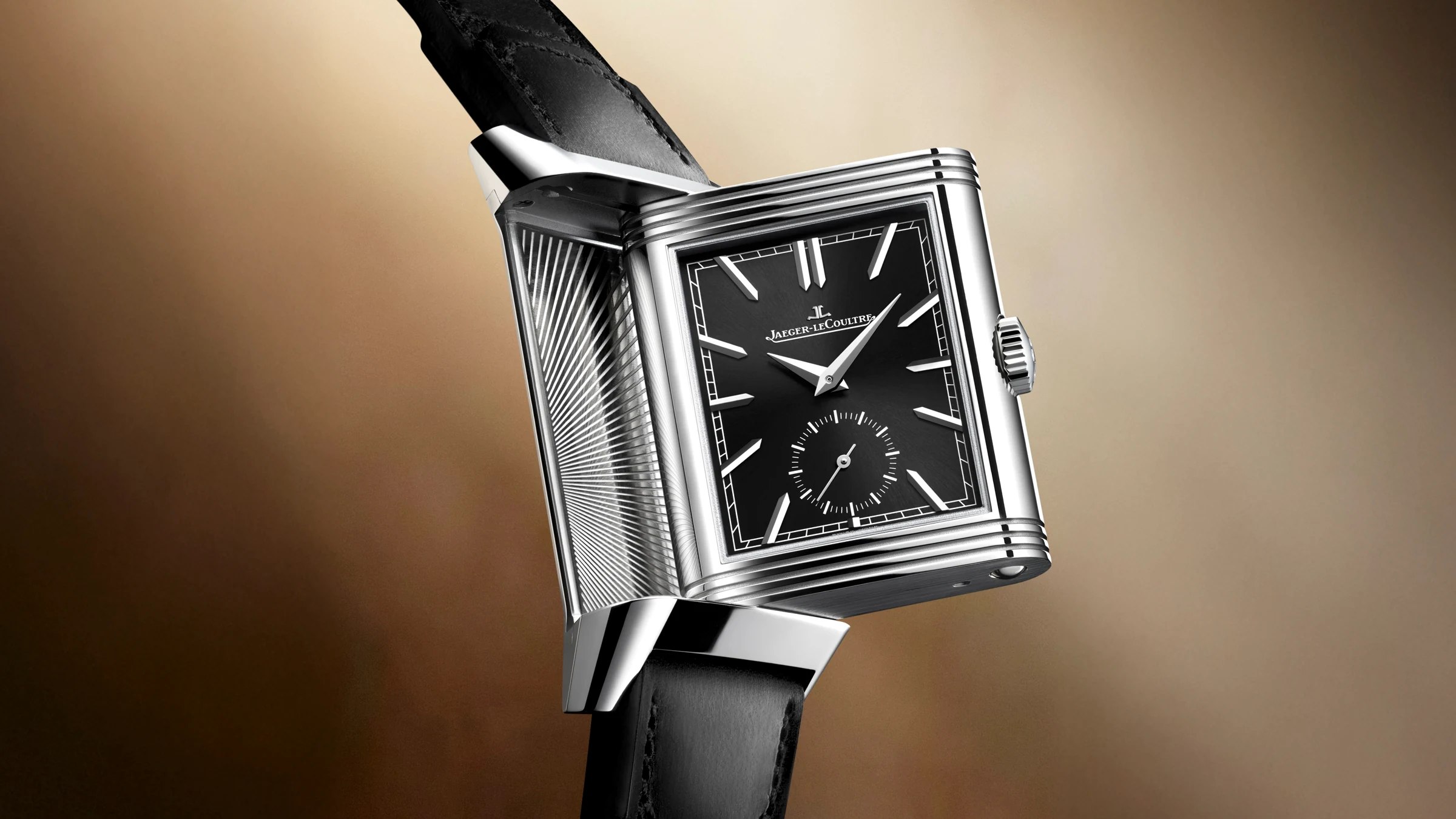
Could JLC be changing?
For all that admiration, JLC has historically been one of those brands that can be easier to respect than to actually buy.
Many of its strongest watches occupy a dressier part of the market.
They are beautiful objects, but for someone with an otherwise casual collection, spending thousands upon thousands of dollars on a watch that feels reserved for particular occasions can be difficult to justify.
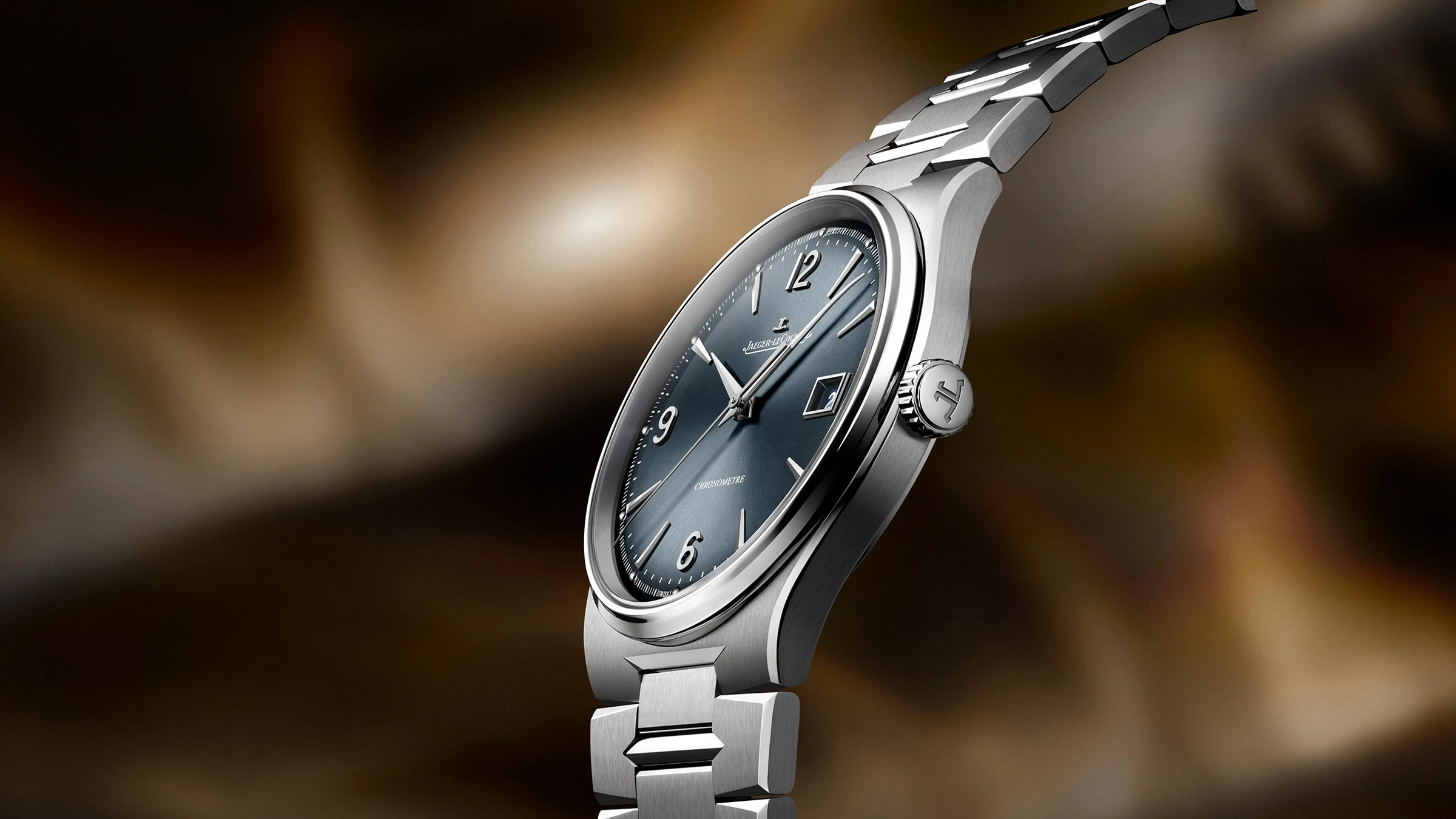
That is why the Master Control Chronomètre caught my attention.
It feels like Jaeger-LeCoultre taking the design language enthusiasts already associate with the brand and making it considerably easier to imagine as an everyday watch.
That distinction matters.
Yes, the Polaris already exists.
It has real historical roots and gives JLC a legitimate sports-watch collection.
But visually, the Polaris can feel slightly separated from what many people instinctively think of as Jaeger-LeCoultre.
The Master Control Chronomètre does not.
It feels like JLC asking what a genuinely contemporary Jaeger-LeCoultre should look like rather than creating a completely separate sporting identity.
For me, that changes the equation considerably.
A brand that previously lived in the vague "perhaps one day" category suddenly produces something that feels much easier to imagine wearing every day.
The Datejust problem
There is another reason this particular watch matters.
The Rolex Datejust has effectively owned the elegant everyday-watch category for decades.
It is neither a pure sports watch nor a traditional dress watch.
It simply works almost anywhere.
Office. Dinner. Weekend. Holiday. Suit. T-shirt.
That versatility is one of its greatest strengths.
The Master Control Chronomètre creates an interesting alternative.
It approaches that same broad brief from a completely different direction.
The Rolex proposition centres around the Datejust's design recognition, durability, brand power and extraordinary versatility.
The JLC proposition is quieter.
It offers the appeal of owning something from one of watchmaking's great manufactures, wrapped in a design that does not require a special occasion.
That does not mean Jaeger-LeCoultre is about to challenge Rolex for mainstream dominance.
It is not.
Nor does JLC need to become that kind of brand.
But watches like this could make Jaeger-LeCoultre relevant to a broader group of enthusiasts who previously admired the company without seeing anything they particularly wanted to wear every day.
And that is potentially much more interesting than simply chasing hype.
Maybe being under-hyped is exactly the point
There is an obvious temptation when discussing Jaeger-LeCoultre to argue that it deserves to be bigger.
More famous.
More desirable.
More culturally important.
Maybe it does.
But perhaps that misses what makes the brand interesting in the first place.
JLC has spent much of its history building credibility through watchmaking rather than spectacle.
Its influence has often been strongest where most people cannot see it.
Inside movements.
Inside other companies' watches.
Inside complications that require far more explanation than a recognisable bezel ever will.
That is not the easiest recipe for modern hype.
It might, however, be a very good recipe for lasting enthusiast respect.
And perhaps that is exactly where Jaeger-LeCoultre should sit.
Expensive enough that you have to genuinely care.
Quiet enough that nobody else needs to know.