
Something weird is going on at Timex.
For years, most of us knew exactly what the brand was.
Timex was the great American watch company, but it was also the watch sitting in a department-store cabinet next to fashion brands. Cheap, cheerful, usually quartz and fundamentally practical.
A Timex told the time. It survived abuse. It didn't demand much thought.
And there was absolutely nothing wrong with that.
But lately Timex has been making watches that don't really fit that description.
Titanium cases. Sapphire crystals. Swiss mechanical movements. Skeletonised architecture. Automatic chronographs. Watches costing well into four figures.
This is not Timex trying to become Rolex.
It is something more interesting than that.
Timex appears to be trying to become relevant to enthusiasts again.
The affordable-watch market changed
For decades, Timex occupied an extremely useful position.
If someone simply needed a watch, Timex was an obvious answer.
Today, that customer is increasingly likely to buy an Apple Watch or another smartwatch instead.
The practical everyday wristwatch is no longer the default piece of technology it once was.
That creates a problem for brands built around selling exactly that.
If people no longer buy a Timex simply because they need something to tell the time, Timex needs to give them another reason to want one.
And somewhere along the way, the company seems to have realised it already had one of the best tools available.
Its history.
Timex can trace its roots back to the Waterbury Clock Company in 1854. For a long time, though, that enormous archive did not seem especially central to the modern brand.
Then came the Marlin.
The Marlin changed the conversation
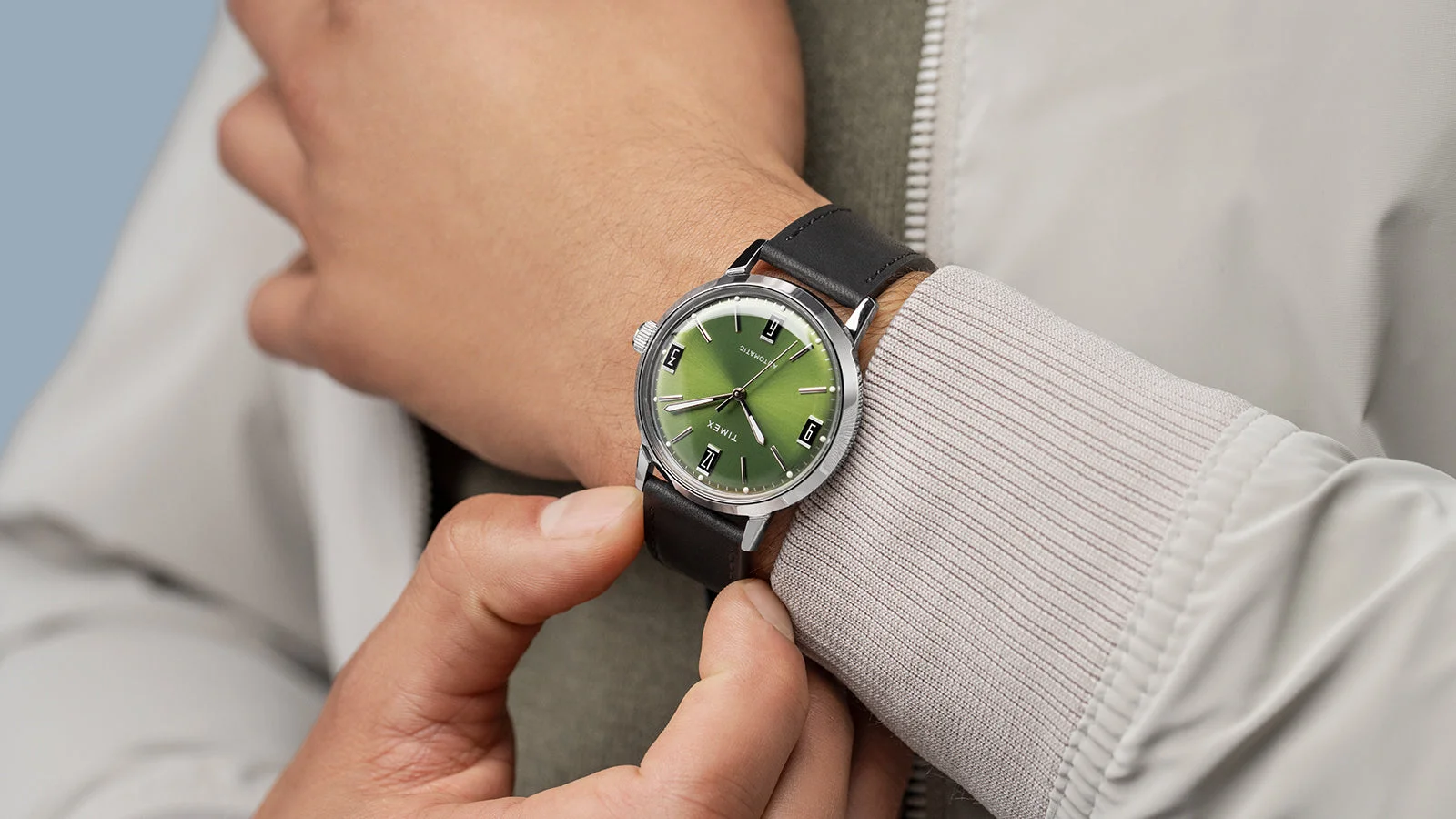
In 2017, Timex revived one of its designs from the 1960s.
The new Marlin had vintage proportions, retro styling and, most importantly, a hand-wound mechanical movement.
It wasn't pretending Timex had suddenly become a luxury manufacture.
It simply looked into the company's own past and found something worth bringing back.
That distinction matters.
The best heritage releases don't feel like costume jewellery. They remind people that a brand has been around long enough to have genuinely interesting ideas buried in its archive.
The Marlin showed Timex could do that.
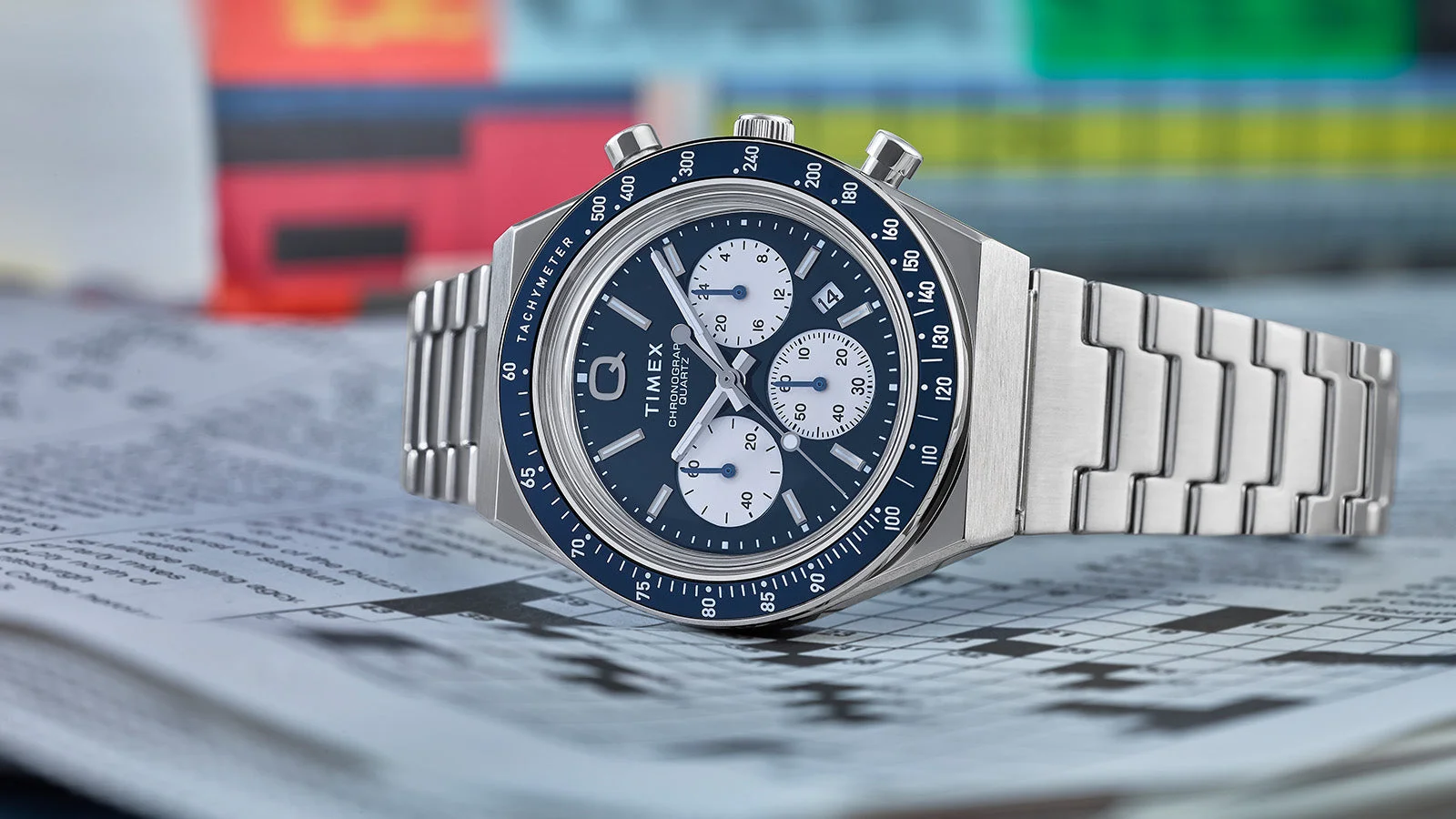
Then, in 2019, came the Q Timex.
This time the inspiration was one of the company's late-1970s quartz watches.
The important part was not the movement.
It was the design.
Timex had realised that its archive contained more than old mechanical watches. It contained genuinely good-looking watches that could work again decades later.
The Marlin might have been an experiment.
The Q made it look like a strategy.
Then Timex started adding enthusiast specifications
The next stage was more ambitious.
The familiar Expedition family expanded into Expedition North, bringing with it things like sapphire crystals, titanium cases and automatic movements.
Suddenly, a Timex field watch could be discussed alongside watches such as the Hamilton Khaki Field without the comparison feeling absurd.
Then came the Giorgio Galli collection.
This was Timex deliberately reaching upwards.
Original designs. Better finishing. Swiss movements. Prices that forced buyers to confront a slightly uncomfortable question:
How much are you prepared to spend on a Timex?
That question has become increasingly important, because Timex has not stopped pushing.
A catalogue you can grow through
What makes the current Timex particularly interesting is that these more expensive watches have not replaced the affordable ones.
Instead, the catalogue is becoming something of a ladder.
There is still the Weekender for someone buying an inexpensive first watch.
There is the Expedition for the field-watch buyer.
The Marlin can introduce someone to mechanical watches.
The Q offers accessible vintage design.
Higher-specification Expeditions appeal to enthusiasts who care about materials and specifications.
Then there are more premium lines such as Atelier.
Above all of that sit pieces like the Giorgio Galli watches, showing how far Timex is willing to stretch.
Different watches. Different prices. Different customers.
The interesting thing is that someone could now conceivably stay with Timex through several stages of becoming a watch enthusiast.
That is a very different proposition from simply being the brand you bought because the watch cabinet happened to have one for $100.
Atelier is the real test
Nowhere is Timex's new strategy more obvious than in Atelier.
This is where the company seems to be testing what a more premium Timex could actually look like.
The Atelier Marine M1a combines a Swiss automatic movement with a double-curved sapphire crystal, 200 metres of water resistance and an unusually architectural, skeletonised case.
More importantly, it does not look like an archive reissue.
It looks contemporary.
That matters because Timex cannot build its entire enthusiast identity around resurrecting old watches.
At some point, the company has to create something new.
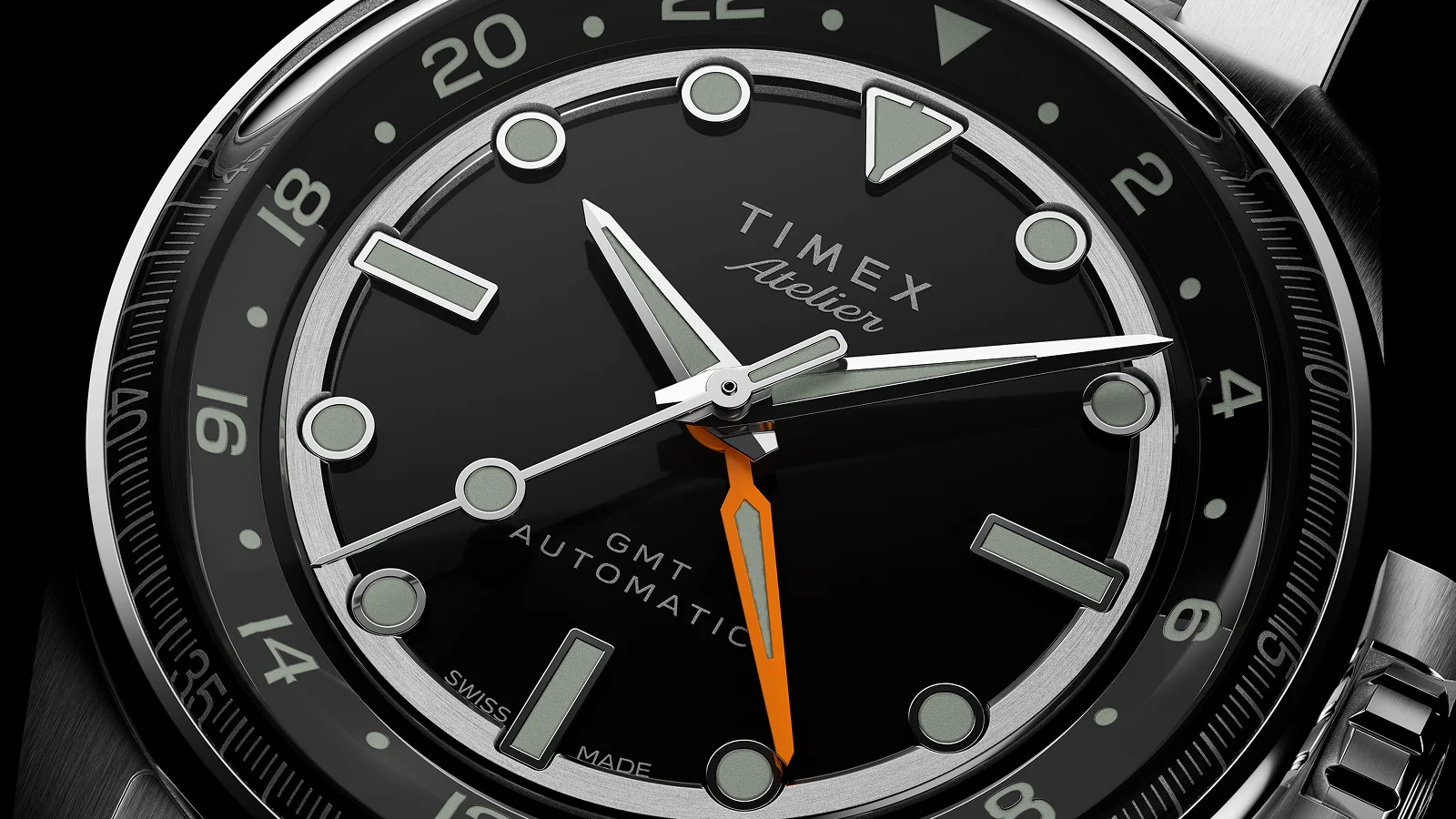
The GMT24 continued that approach, pairing another Swiss movement with the same modern case architecture and retro-influenced sapphire treatment.
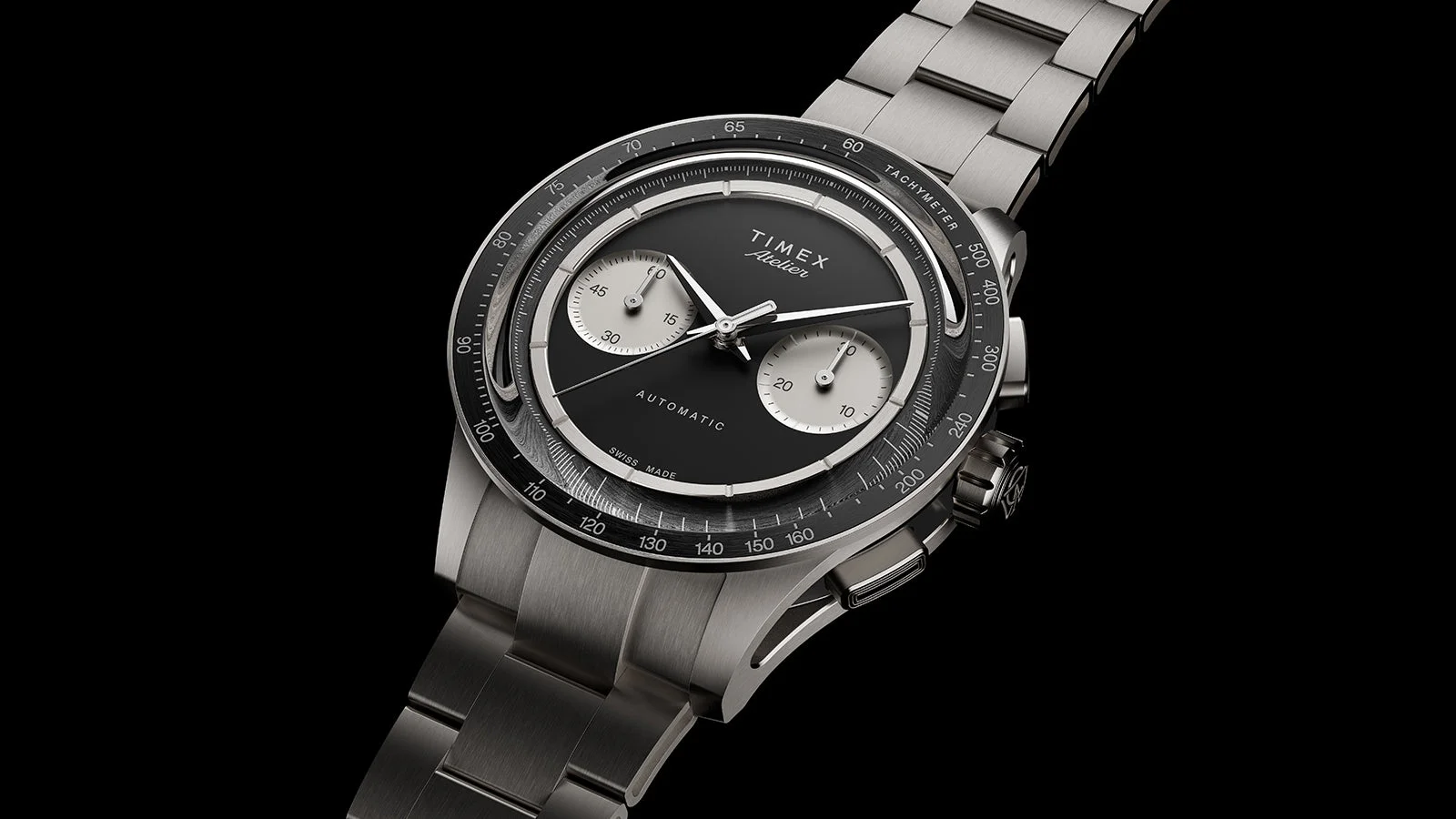
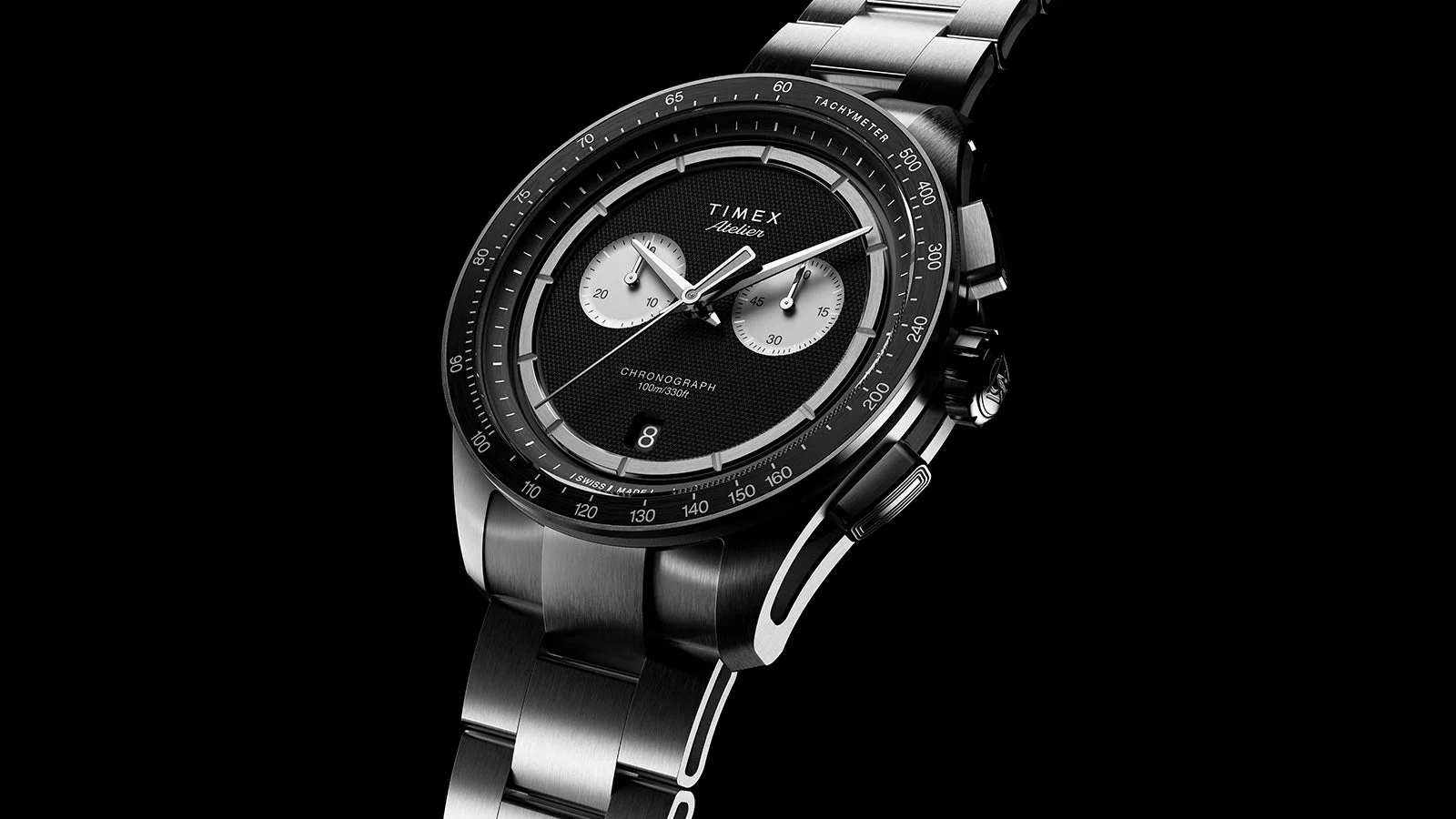
Then Timex pushed even harder with the Atelier Chronograph Automatic M1a Ti.
A 42 mm titanium case. A Swiss-made Landeron automatic chronograph movement. Double-domed sapphire. A deep black dial and tachymeter bezel.
And a starting price of around US$2,100 at the time of the original release.
That is a lot of money for a Timex.
And that is not an insult.
It is the entire point.
Can a Timex be worth $2,000?
The most interesting thing about a $2,000 Timex is not whether the specifications justify the price.
The more difficult question is whether the name on the dial does.
Put a different logo on a titanium automatic chronograph with a Swiss movement, sapphire crystal and distinctive case design and the price might attract considerably less attention.
But Timex carries decades of association with affordable watches.
That creates both an advantage and a problem.
The brand has enormous recognition.
But that recognition comes with an established expectation of what a Timex should cost.
Atelier is testing how elastic that expectation really is.
The accompanying Chronograph Quartz M1q perhaps makes the strategy even clearer.
It retains the architectural case design, this time in stainless steel, with a Swiss quartz chronograph movement, double-curved sapphire crystal and 100 metres of water resistance.
At around US$800 at launch, it was still far from inexpensive.
But it also felt much closer to the traditional Timex proposition.
Practical. Quartz. Accessible relative to the automatic.
The two watches almost represent the two sides of modern Timex.
The automatic asks: How far can we go?
The quartz responds: Don't worry. We still know who we are.
Why Timex can make this work
Timex has one significant advantage over many companies trying to move upmarket.
It does not need to invent a story.
The history is already there.
More than 170 years of it.
At the same time, the enthusiast market has become much more open-minded.
Watch buyers are no longer restricted to whichever Swiss brands happen to be sitting inside the nearest jewellery store.
Christopher Ward, Baltic, Farer, Lorier, Henry Archer and countless microbrands have helped normalise the idea that enthusiasts will buy a good watch from almost anywhere.
The internet made the watch world smaller.
If enthusiasts are willing to buy relatively expensive watches from companies founded only a few years ago, then a company with more than a century and a half of history, enormous archives and one of the most recognisable names in watches has a fairly convincing platform to work from.
Timex simply needed to make watches people wanted to talk about.
Increasingly, it is.
Timex does not need to become a luxury brand
None of this means Timex should abandon what made it successful.
The affordable watches still matter.
In fact, they may be essential.
Timex's opportunity is not to transform itself into a luxury marque and leave its traditional customers behind.
It is to become broader.
A company capable of selling a simple quartz beater at one end of the catalogue and an ambitious Swiss-powered mechanical watch at the other.
That is a difficult balancing act.
Push too far and buyers may decide the Timex name simply cannot support the price.
Stay too conservative and the brand risks becoming increasingly irrelevant in a world where the person who merely needs to know the time already has a phone in their pocket and a computer on their wrist.
So far, Timex appears to understand the challenge.
It may never be Rolex.
It does not need to be.
Timex simply needs to be interesting again.
And right now, it is.